Artist
A Tribe Called Quest
A Tribe Called Quest are an American hip-hop group formed in Queens, New York, in the mid-1980s. The classic lineup consisted of Q-Tip, Phife Dawg, Ali Shaheed Muhammad, and Jarobi White, childhood and school friends who developed a distinctive style built around jazz and soul samples, relaxed rhythms, sharp lyricism, humor, and socially conscious themes.
As key members of the Native Tongues collective alongside De La Soul and the Jungle Brothers, A Tribe Called Quest helped establish an alternative to the harder-edged hip-hop dominating the era. Albums such as The Low End Theory and Midnight Marauders became landmarks of jazz rap and helped redefine what hip-hop production and lyricism could sound like.
Across six studio albums, Tribe created one of the most influential catalogs in hip-hop history. Their conversational rhymes, adventurous sampling, musical sophistication, and chemistry between Q-Tip and Phife Dawg influenced generations of rappers and producers. More than three decades after their debut, A Tribe Called Quest remain one of hip-hop's most respected and important groups.
Studio albums
Similar Artists
History
A Tribe Called Quest emerged from Queens, New York, during the mid-1980s. Q-Tip and Phife Dawg had known each other since childhood, while Jarobi White and Ali Shaheed Muhammad became part of the circle as the members grew older. Originally performing under the name Quest, the group adopted A Tribe Called Quest, a name suggested by Afrika Baby Bam of the Jungle Brothers.
Their friendships with the Jungle Brothers and De La Soul helped establish the Native Tongues, a loose collective of artists who brought an Afrocentric, creative, and often playful perspective to hip-hop. At a time when rap was expanding in several very different directions, Native Tongues offered an alternative built around individuality, eclectic sampling, social awareness, and experimentation.
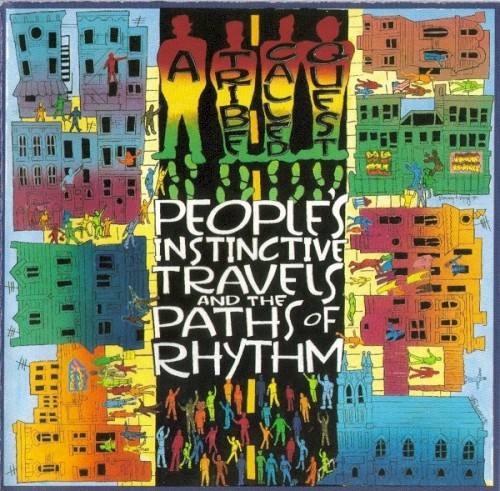
After an early demo arrangement with Geffen failed to produce an album deal, A Tribe Called Quest signed with Jive Records in 1989. Their debut album, People's Instinctive Travels and the Paths of Rhythm, arrived in 1990 and immediately established the group's unconventional approach. Songs including "Can I Kick It?," "Bonita Applebum," and "I Left My Wallet in El Segundo" combined laid-back production, jazz and soul samples, humor, and conversational rhymes.
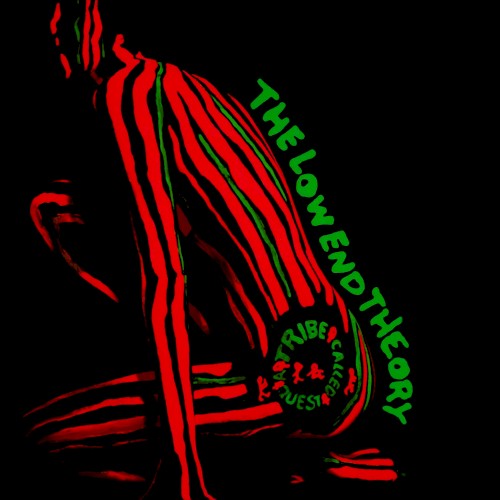
The group took a major creative leap with The Low End Theory in 1991. Built around deep bass lines, minimalist beats, jazz samples, and the increasingly effective vocal interplay between Q-Tip and Phife Dawg, the album became one of the defining recordings of alternative hip-hop. Tracks such as "Check the Rhime," "Jazz (We've Got)," and "Scenario" became classics, with "Scenario" also helping introduce a wider audience to Busta Rhymes.
Jarobi White stepped away from the group around this period, leaving Q-Tip, Phife Dawg, and Ali Shaheed Muhammad as Tribe's primary recording lineup.
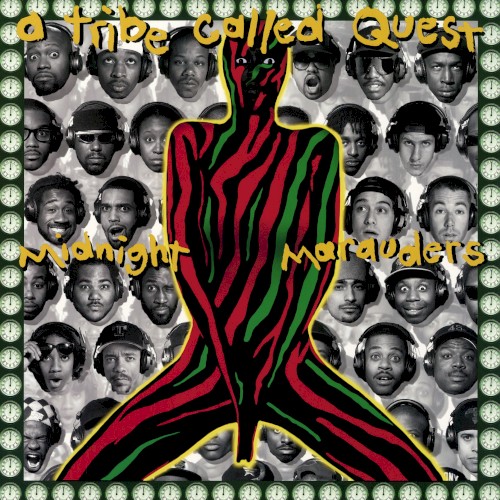
Their third album, Midnight Marauders, arrived in 1993 and further refined the group's sound. Featuring tracks including "Award Tour," "Electric Relaxation," and "Oh My God," the album balanced intricate sampling and smooth production with confident, accessible rhymes. Together, The Low End Theory and Midnight Marauders are widely considered two of the foundational albums of jazz rap.
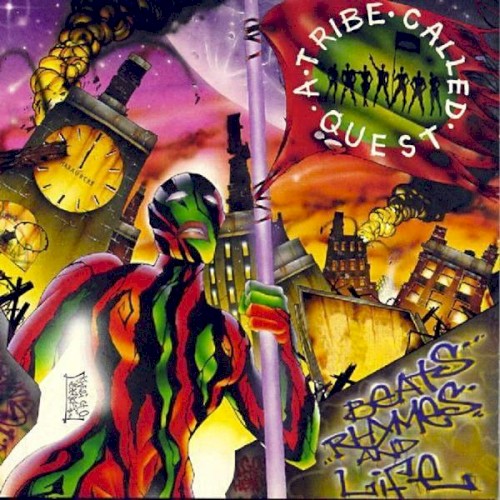
By the middle of the decade, Tribe's music began moving into darker and more complex territory. Their fourth album, Beats, Rhymes and Life, was released in 1996 and incorporated production from The Ummah, a team consisting of Q-Tip, Ali Shaheed Muhammad, and producer Jay Dee, later known as J Dilla. The album reached No. 1 on the Billboard 200 and included songs such as "1nce Again" and "Stressed Out."
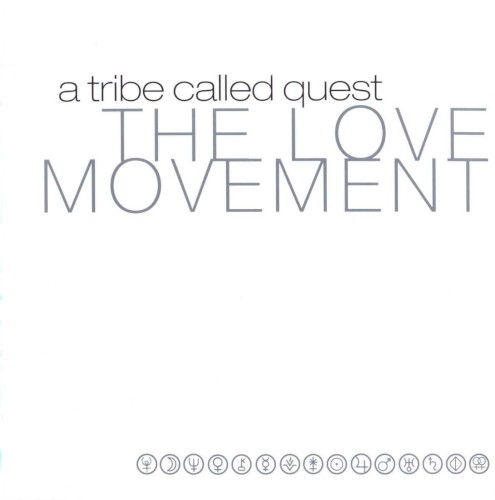
Internal tensions, particularly between Q-Tip and Phife Dawg, increasingly affected the group. Tribe released The Love Movement in 1998, featuring tracks including "Find a Way", before announcing that the album would be their last.
Although the group had officially broken up, A Tribe Called Quest periodically reunited for concerts and festival appearances during the following years. Their influence continued to grow as newer generations of artists embraced the jazz-infused production, conversational delivery, and musical experimentation that Tribe had helped pioneer.
The group's complicated relationships became the focus of the 2011 documentary Beats, Rhymes & Life: The Travels of A Tribe Called Quest, which explored both their enormous musical influence and the personal tensions behind the scenes.
In November 2015, the members reunited for a television performance celebrating the 25th anniversary of their debut album. The experience inspired them to begin secretly recording new music together.
Tragedy struck before the project could be completed. Phife Dawg died on March 22, 2016, at age 45 following complications related to diabetes. The surviving members continued working on the recordings, incorporating material Phife had completed before his death.
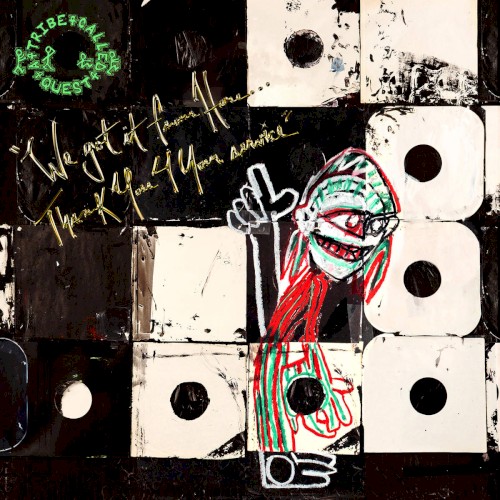
The resulting album, We Got It from Here... Thank You 4 Your Service, was released through Epic Records in November 2016, 18 years after The Love Movement. Jarobi White returned as a full participant, while guests included André 3000, Kendrick Lamar, Busta Rhymes, Jack White, Elton John, Kanye West, and Anderson .Paak.
Rather than simply recreating their 1990s sound, Tribe delivered an album that addressed contemporary politics, race, inequality, and the loss of Phife while maintaining the group's unmistakable musical identity. The album debuted at No. 1 on the Billboard 200 and was presented as A Tribe Called Quest's sixth and final studio album.
The group's historical stature continued to grow. In 2021, The Low End Theory was inducted into the Grammy Hall of Fame, recognizing its lasting historical and musical significance.
In 2024, A Tribe Called Quest were inducted into the Rock & Roll Hall of Fame in the Performer category, with comedian Dave Chappelle presenting their induction. The honor formally recognized what generations of hip-hop artists had already demonstrated: Tribe fundamentally changed the possibilities of rap music.
From the playful experimentation of People's Instinctive Travels through The Low End Theory, Midnight Marauders, and their remarkable 2016 farewell, A Tribe Called Quest created a catalog that helped bridge jazz, soul, and hip-hop. Their influence can be heard in artists ranging from The Roots and Common to OutKast and Kanye West, making them one of the most consequential groups in hip-hop history.
Artist Facts
- The name A Tribe Called Quest was suggested by Afrika Baby Bam of the Jungle Brothers; the group had previously simply been known as Quest.
- Q-Tip and Phife Dawg were friends from elementary school, years before they became one of hip-hop's most recognizable MC partnerships.
- Jarobi White left the group's primary recording lineup after its debut era but returned more than two decades later for Tribe's final album, We Got It from Here... Thank You 4 Your Service
- The Low End Theory was inducted into the Grammy Hall of Fame in 2021, 30 years after its original release.
FAQ
- Who were the members of A Tribe Called Quest?
The classic members were Q-Tip, Phife Dawg, Ali Shaheed Muhammad, and Jarobi White. Q-Tip and Phife Dawg served as the group's primary MCs, while Ali Shaheed Muhammad was a key producer and DJ.
- Where was A Tribe Called Quest formed?
A Tribe Called Quest formed in Queens, New York, during the mid-1980s. The members grew out of friendships formed during childhood and school.
- What genre is A Tribe Called Quest?
A Tribe Called Quest are primarily associated with hip-hop, jazz rap, and alternative hip-hop. Their sound blended jazz, soul, funk, and R&B samples with relaxed beats and conversational lyricism.
- What is A Tribe Called Quest's most famous album?
The Low End Theory is widely regarded as one of the group's defining albums. Released in 1991, it includes classics such as "Check the Rhime," "Scenario," and "Jazz (We've Got)."
- Is A Tribe Called Quest still together?
A Tribe Called Quest are no longer active as a recording group. Their sixth and final studio album, We Got It from Here... Thank You 4 Your Service, was released in 2016 following the death of Phife Dawg earlier that year.