Artist
Big Daddy Kane
singer, songwriter
Big Daddy Kane is an American rapper, songwriter, producer, and performer born Antonio Hardy on September 10, 1968, in Brooklyn, New York. Emerging during hip-hop's golden age, Kane became one of the genre's most technically gifted and influential MCs, combining rapid-fire rhymes, intricate wordplay, smooth delivery, battle-rap confidence, and an unmistakable sense of style.
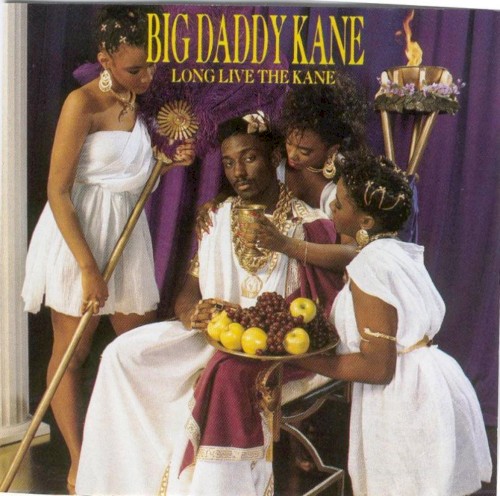
As a member of the legendary Juice Crew, Kane rose alongside artists including Biz Markie, Kool G Rap, Roxanne Shanté, and MC Shan under producer Marley Marl. His 1988 debut album, Long Live the Kane, introduced classics such as "Ain't No Half-Steppin'," "Raw," and "Set It Off," establishing him as one of the elite rappers of his generation.
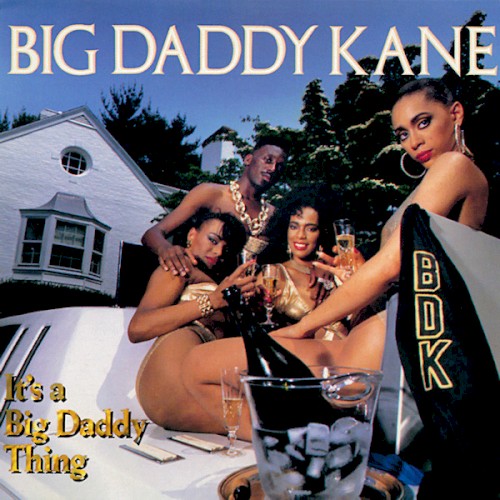
Kane expanded his sound and persona on It's a Big Daddy Thing, which featured "Smooth Operator," "Warm It Up, Kane," and "I Get the Job Done." His ability to move between hard battle rhymes, socially conscious lyrics, dance records, and sophisticated love songs helped create a blueprint for the charismatic rap superstar.
Beyond his recordings, Big Daddy Kane became known for dynamic live performances, elaborate stage routines, high-fashion imagery, and lyrical technique that influenced generations of MCs. Artists including Jay-Z have cited Kane as an important influence, and his impact can be heard throughout East Coast hip-hop.
Decades after his breakthrough, Big Daddy Kane remains an important figure in hip-hop culture and one of the defining MCs of the golden-age era.
Studio albums
Compilations
Similar Artists
No similar artists yet.
History
Big Daddy Kane was born Antonio Hardy on September 10, 1968, in Brooklyn, New York. Growing up during the rise of hip-hop culture, he became fascinated with rhyming, battling, performance, and the competitive spirit of early New York rap.
As a young MC, Hardy developed a reputation for his lyrical ability and adopted the name Big Daddy Kane. "Kane" has been described as an acronym for King Asiatic Nobody's Equal, a name that matched the confidence and battle-ready persona he would bring to his records.
A major turning point came when Kane met Biz Markie in the mid-1980s. The two became friends and creative collaborators, with Kane helping write material associated with Biz during the early stages of both artists' careers.
Through those connections, Kane became part of the Juice Crew, the influential collective centered around producer Marley Marl and the Cold Chillin' Records organization.
The Juice Crew became one of the defining hip-hop collectives of the 1980s. Its extended family included MC Shan, Roxanne Shanté, Biz Markie, Kool G Rap, Masta Ace, Craig G, and others, each bringing a distinct style to a group of artists united largely through Marley Marl's production.
Kane signed with Cold Chillin' Records in 1987 and quickly began building a reputation beyond New York.
His early single "Raw" became an underground favorite and showcased many of the qualities that would define his career: tightly controlled breath, complex rhyme patterns, commanding delivery, punchlines, and the ability to accelerate his flow without losing clarity.
In 1988, Kane released his debut album, Long Live the Kane.
Produced largely by Marley Marl, the album became one of the essential releases of hip-hop's golden age. It included "Ain't No Half-Steppin'," "Raw," "Set It Off," "Just Rhymin' with Biz," and "I'll Take You There."
"Ain't No Half-Steppin'" became particularly important to Kane's legacy. Built around a relaxed groove, the track allowed him to demonstrate technical complexity without sounding rushed. His calm confidence, internal rhymes, and precise cadence helped establish a style that influenced countless rappers who followed.
"Set It Off" showcased another side of Kane. Its relentless pace demonstrated his ability to deliver rapid-fire verses while maintaining control and articulation, reinforcing his reputation as one of hip-hop's strongest live and battle-oriented MCs.
The album arrived during an extraordinary period for hip-hop. Rakim, KRS-One, Public Enemy, EPMD, Slick Rick, Kool G Rap, and other artists were dramatically expanding the possibilities of rap lyricism and production. Even among that remarkable group, Kane stood out.
He followed his debut only a year later with It's a Big Daddy Thing in 1989.
The album expanded Kane's range considerably. While he remained a formidable battle rapper, he also embraced R&B, dance music, romance, and a more polished image.
Songs such as "Warm It Up, Kane," "Smooth Operator," "I Get the Job Done," and "Young, Gifted and Black" helped make the album one of the strongest releases of his career.
"Smooth Operator" became particularly important to Kane's public image. Instead of presenting the MC solely as a street battler, it emphasized sophistication, fashion, charisma, and romantic confidence.
That combination became highly influential.
Kane helped create a template for rappers who could be both lyrically respected and commercially charismatic. The image of the technically gifted MC dressed in tailored clothing, jewelry, and luxury fashion became increasingly common in hip-hop during the decades that followed.
His style was closely connected to Dapper Dan, the legendary Harlem designer whose custom clothing helped define late-1980s and early-1990s hip-hop fashion. Kane's elaborate stage outfits became part of his identity, reinforcing the connection between hip-hop performance, fashion, and visual presentation.
The Smithsonian's National Museum of African American History and Culture would eventually add one of Kane's Dapper Dan-designed outfits to its collection.
Kane was also an exceptional live performer.
His concerts frequently incorporated dancers, choreographed routines, costume changes, and physically demanding performances. At a time when many rap performances centered primarily on an MC and DJ, Kane helped demonstrate how hip-hop could become a fully staged theatrical show.
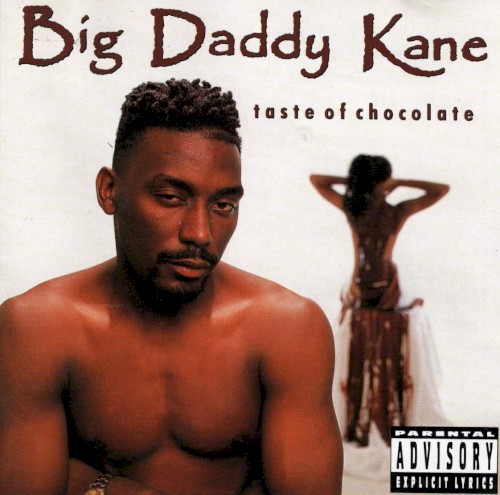
His third album, Taste of Chocolate, arrived in 1990.
The record continued expanding his sound and featured tracks such as "'Cause I Can Do It," "All of Me," and "Hard Being the Kane." The album also reflected Kane's increasing willingness to move beyond straightforward battle rap into R&B-influenced material and broader musical experimentation.
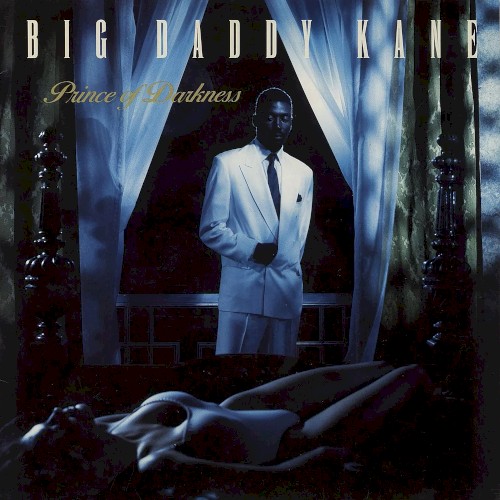
Prince of Darkness followed in 1991.
By this point, hip-hop was changing rapidly. New styles were emerging on both coasts, sampling techniques were becoming more sophisticated, and younger artists were beginning to reshape the sound of mainstream rap.
Kane remained respected as an MC, but changing musical tastes and his experiments with R&B created a more complicated commercial environment.
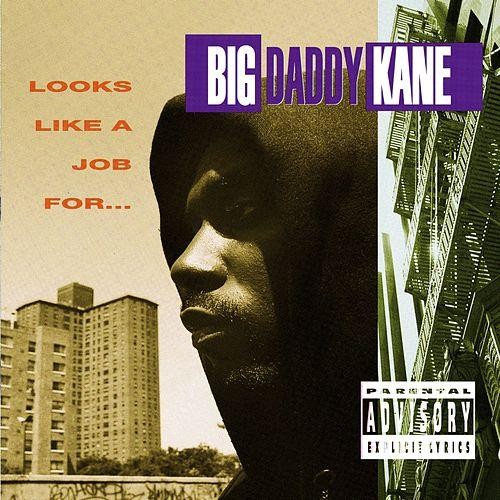
He returned with Looks Like a Job For... in 1993, an album whose title reflected Kane's effort to reassert his lyrical identity.
The project included "How U Get a Record Deal?" and other tracks that returned greater emphasis to rapping and hip-hop fundamentals.
His years with Cold Chillin' ended soon afterward.
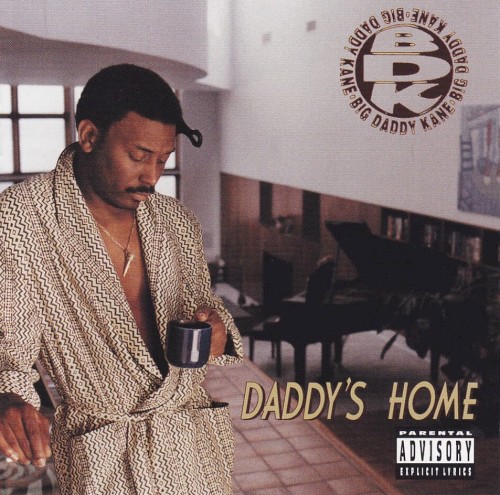
In 1994, Kane released Daddy's Home through MCA Records. The album arrived during another major transition in hip-hop, as artists including Nas, The Notorious B.I.G., Wu-Tang Clan, Snoop Dogg, and others were defining a new generation.
Kane's influence on that generation was already evident.
Perhaps the most important connection was Jay-Z, who emerged from the Brooklyn rap scene and appeared around Kane during the early stages of his career. Jay-Z would later become one of hip-hop's biggest artists and has repeatedly been associated with Kane as one of the MCs who influenced his lyrical development and performance style.
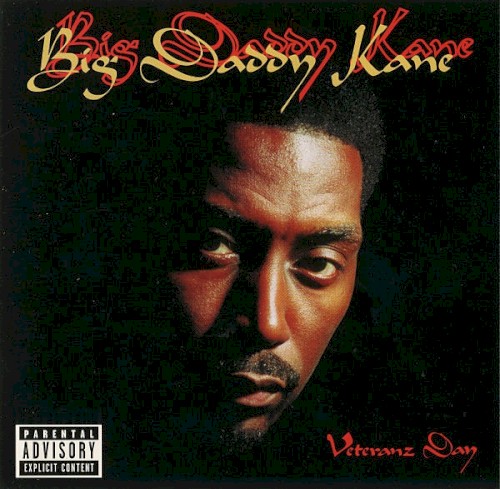
Kane returned in 1998 with Veteranz' Day, released through Blackheart Records.
By then, he was increasingly viewed not simply as a current recording artist but as one of the architects of modern MC technique.
His influence extended across multiple dimensions of hip-hop.
Lyrically, Kane helped popularize dense internal rhymes, shifting cadences, rapid delivery, sophisticated vocabulary, and battle-oriented punchlines.
Visually, he helped define an era of hip-hop fashion through tailored suits, leather outfits, jewelry, and custom designs.
As a performer, he demonstrated that a rapper could combine elite lyricism with choreography, showmanship, humor, romance, and commanding stage presence.
He also played an important role within the larger Juice Crew legacy, one of the most influential family trees in hip-hop history.
Kane's relationship with Biz Markie remained another important part of that story. Before either artist became a major star, Kane contributed writing to some of Biz's material, including "Vapors," reinforcing the collaborative culture that existed within the Juice Crew.
Although Kane's studio-album output slowed considerably after the 1990s, he never disappeared from hip-hop.
He continued performing, collaborating with other artists, appearing at anniversary events and hip-hop celebrations, and introducing his music to audiences that had not experienced his original run.
His stature also grew as hip-hop began formally documenting its own history.
Clothing associated with Kane entered the collection of the Smithsonian National Museum of African American History and Culture, while documentaries, museum exhibitions, anniversary concerts, and retrospectives increasingly recognized the importance of the golden-age generation.
Kane has also participated in major celebrations of hip-hop's history, including events commemorating the culture's 50th anniversary.
What separates Big Daddy Kane from many artists of his era is the number of different aspects of modern rap that can be traced through his work.
His technical rhyming influenced lyricists. His romantic persona anticipated the sophisticated player image later adopted by numerous mainstream rappers. His clothing helped establish hip-hop fashion as a major cultural force. His choreography and stagecraft expanded expectations for live rap performance.
Most importantly, his best records still demonstrate why he was considered one of the elite MCs of his generation.
From the relentless attack of "Set It Off" and the technical precision of "Raw" to the relaxed mastery of "Ain't No Half-Steppin'" and the charisma of "Smooth Operator," Big Daddy Kane built a style capable of sounding aggressive, intelligent, effortless, and cool at the same time.
His peak recording period may be closely associated with the late 1980s and early 1990s, but his influence extends through decades of hip-hop.
Big Daddy Kane remains one of the foundational MCs of the golden age and one of the artists who helped establish the technical, visual, and performance standards of modern rap.
Artist Facts
1. Big Daddy Kane's real name is Antonio Hardy, and the "Kane" in his stage name has been described as standing for King Asiatic Nobody's Equal.
2. Kane was a key member of the legendary Juice Crew, alongside artists including Biz Markie, Kool G Rap, Roxanne Shanté, MC Shan, Masta Ace, and Craig G.
3. Before becoming a star himself, Kane helped write material for Biz Markie, including co-writing the hip-hop classic "Vapors."
4. One of Big Daddy Kane's custom Dapper Dan-designed stage outfits is preserved by the Smithsonian National Museum of African American History and Culture, reflecting his influence on hip-hop fashion as well as music.
5. Kane's 1988 debut album, Long Live the Kane, includes "Ain't No Half-Steppin'," "Raw," and "Set It Off" and remains one of the defining albums of hip-hop's golden age.
FAQ
- What is Big Daddy Kane's real name?
Big Daddy Kane's real name is Antonio Hardy. He was born on September 10, 1968, in Brooklyn, New York, and emerged as one of the leading MCs of hip-hop's golden age.
- What genre is Big Daddy Kane?
Big Daddy Kane is primarily associated with hip-hop, East Coast hip-hop, golden-age rap, and hardcore hip-hop. His music ranges from battle rap and socially conscious material to R&B-influenced songs and romantic records.
- What is Big Daddy Kane's most famous album?
Long Live the Kane, released in 1988, is generally considered his defining album. It features "Ain't No Half-Steppin'," "Raw," "Set It Off," and "Just Rhymin' with Biz." His 1989 follow-up, It's a Big Daddy Thing, is also regarded as an essential part of his catalog.
- What are Big Daddy Kane's most famous songs?
Some of Big Daddy Kane's best-known songs include "Ain't No Half-Steppin'," "Raw," "Smooth Operator," "Warm It Up, Kane," "Set It Off," "I Get the Job Done," and "'Cause I Can Do It."
- Why is Big Daddy Kane considered so influential?
Big Daddy Kane helped expand the technical possibilities of rapping through complex rhyme patterns, internal rhymes, rapid flows, precise delivery, and battle-oriented lyricism. He also influenced hip-hop fashion and live performance through his tailored style, choreography, dancers, and stage presence. His approach helped establish a blueprint for later generations of technically skilled and charismatic MCs.