Artist
Grateful Dead
CrateTrax score 8.3 / 10 · 5 rated releases
The Grateful Dead were an American rock band formed in Palo Alto, California, in 1965. The group's original core featured Jerry Garcia, Bob Weir, Phil Lesh, Ron "Pigpen" McKernan, and Bill Kreutzmann, with drummer Mickey Hart joining in 1967. Over the next three decades, the band's lineup evolved while its improvisational approach and intensely loyal audience became central to its identity.
Blending rock, folk, blues, country, jazz, bluegrass, psychedelia, and other musical traditions, the Grateful Dead developed a sound that resisted easy classification. Rather than playing songs exactly the same way each night, the group used live performance as a platform for extended improvisation, allowing songs to stretch, transform, and flow into one another.
Albums such as Workingman's Dead, American Beauty, Live/Dead, and Europe '72 became cornerstones of their catalog, while songs including "Truckin'," "Friend of the Devil," "Uncle John's Band," "Ripple," "Casey Jones," and "Touch of Grey" became enduring classics. Their devoted followers, known as Deadheads, created one of the most distinctive fan cultures in music history.
The Grateful Dead officially ended following Jerry Garcia's death in 1995, but their music and culture have continued through archival releases, successor bands, and generations of new listeners. Their influence on live music, jam bands, concert culture, and artist-fan relationships has made them one of the most important and unconventional bands in American rock history.
Studio albums
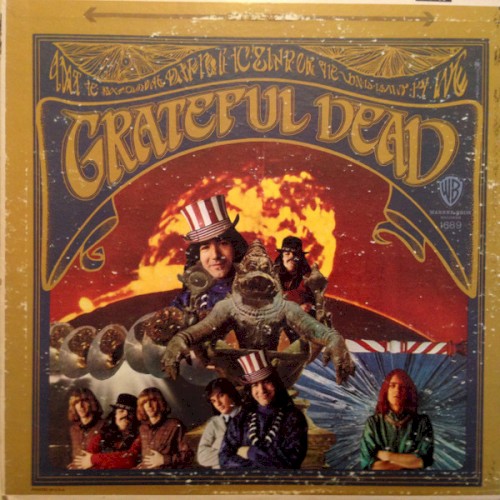 The Grateful Dead1967Album
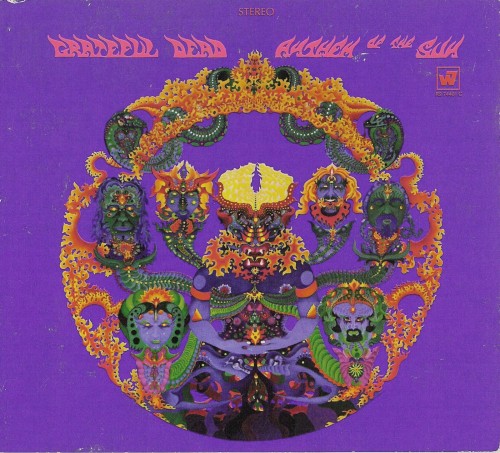 Anthem of the Sun1968Album
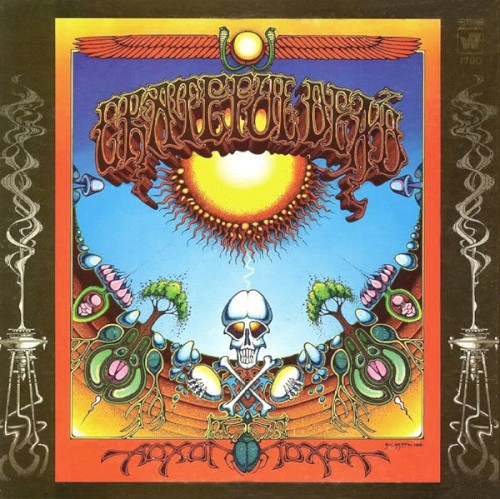 Aoxomoxoa19697.9 / 10Album
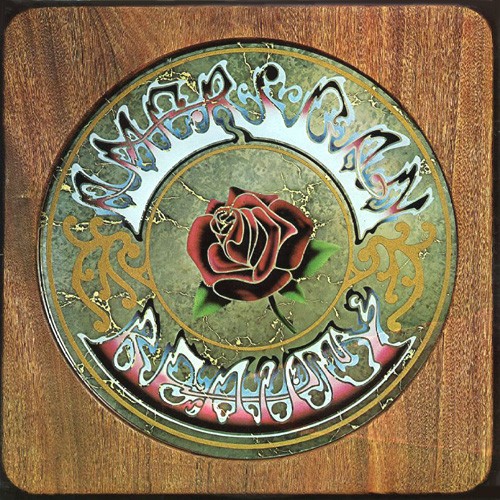 American Beauty1970Album
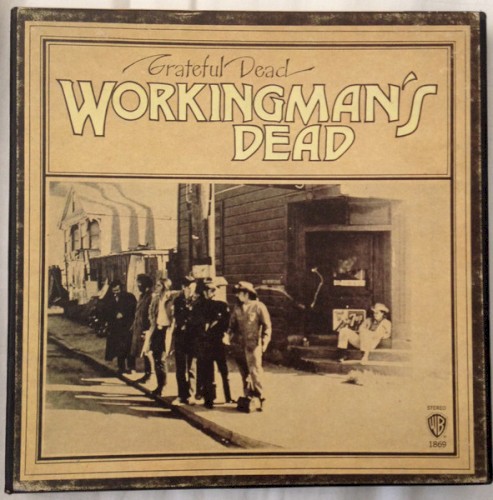 Workingman’s Dead19708.6 / 10Album
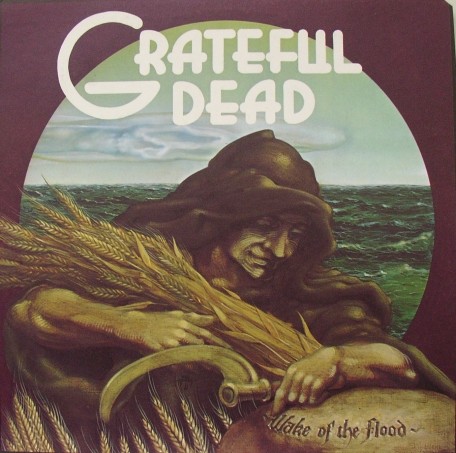 Wake of the Flood1973Album
 From the Mars Hotel1974Album
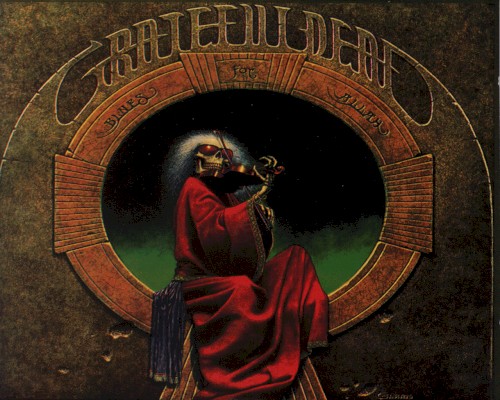 Blues for Allah1975Album
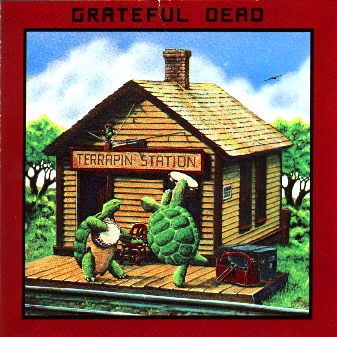 Terrapin Station1977Album
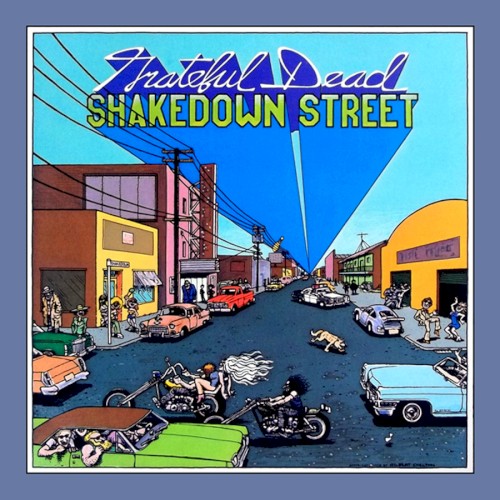 Shakedown Street1978Album
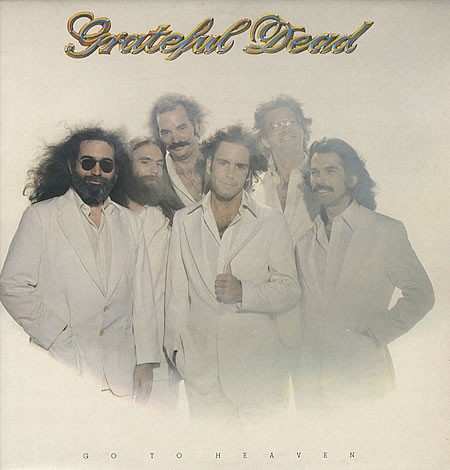 Go to Heaven1980Album
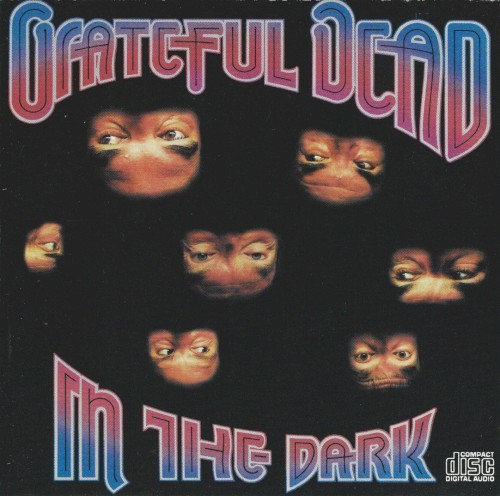 In the Dark1987Album
Live albums
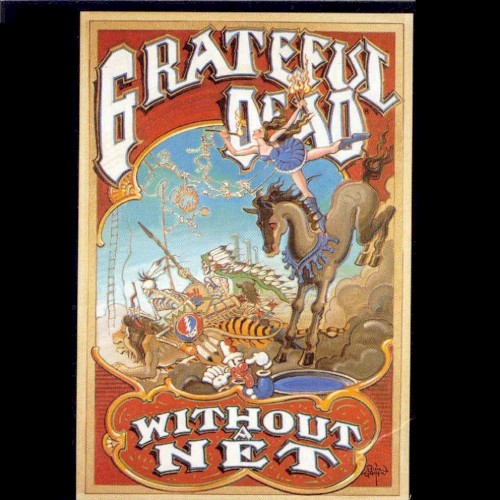
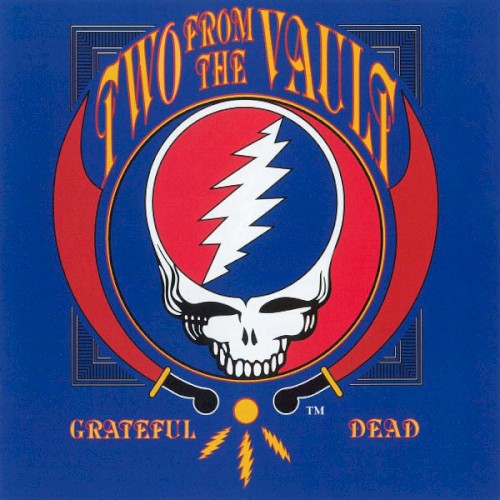
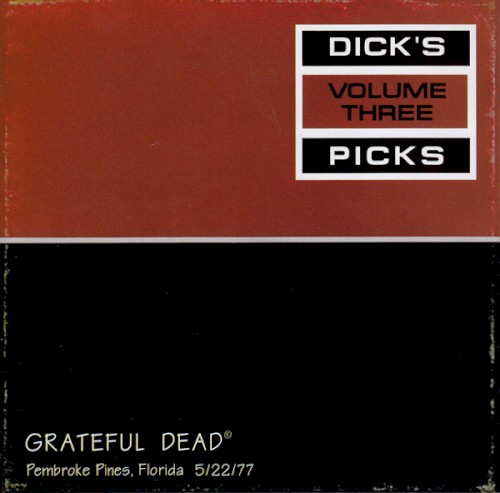
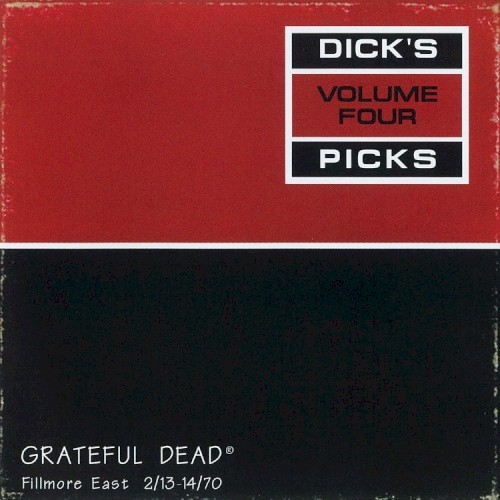
Compilations
Similar Artists
History
The Grateful Dead's story began in the San Francisco Bay Area in 1965, when musicians Jerry Garcia, Bob Weir, Ron "Pigpen" McKernan, Bill Kreutzmann, and Phil Lesh came together in a group originally called The Warlocks. Several members had previously played in Mother McCree's Uptown Jug Champions, a jug band rooted in folk, blues, and traditional American music.
After discovering that another band was already using the name The Warlocks, the group needed a new identity. Jerry Garcia reportedly encountered the phrase "Grateful Dead" in a dictionary, referencing a traditional folktale about a traveler who helps a deceased stranger and is later rewarded by the dead person's spirit.
The newly named Grateful Dead became closely connected to author Ken Kesey and the Merry Pranksters, performing at the legendary Acid Tests beginning in late 1965. These experimental gatherings combined music, lights, visual art, and psychedelic culture and placed the band at the center of the emerging San Francisco counterculture.
By 1966, the Grateful Dead had settled into San Francisco's Haight-Ashbury district, becoming one of the defining groups of the city's psychedelic-rock movement alongside Jefferson Airplane, Big Brother and the Holding Company, and Quicksilver Messenger Service.
The band signed with Warner Bros. Records and released its self-titled debut album in 1967. Early studio records such as Anthem of the Sun and Aoxomoxoa reflected the group's increasingly experimental approach, blending studio manipulation with the free-form improvisation that was already becoming the centerpiece of its concerts.
Drummer Mickey Hart joined in 1967, creating an unusual two-drummer configuration with Bill Kreutzmann. Around the same period, lyricist Robert Hunter became one of the group's most important creative collaborators, working primarily with Jerry Garcia to write many of the songs that would define the Grateful Dead catalog.
The band's reputation was increasingly built on live performance. Rather than recreating studio recordings note for note, the Dead used songs as frameworks for improvisation. Performances of pieces such as "Dark Star" could expand dramatically from one night to another, making individual concerts unique experiences.
That approach was captured on Live/Dead in 1969, one of rock's landmark live albums.
In 1970, the Grateful Dead shifted toward a more concise and roots-oriented sound with two albums released only months apart: Workingman's Dead and American Beauty. Drawing heavily from folk, country, bluegrass, and vocal harmony, the records produced some of the group's most enduring songs, including "Uncle John's Band," "Casey Jones," "Truckin'," "Ripple," "Friend of the Devil," and "Sugar Magnolia."
Their live audience continued expanding during the early 1970s. The 1972 European tour produced Europe '72, a celebrated live album that captured the band at one of its creative peaks. It was also the final major tour featuring founding member Pigpen McKernan, whose blues vocals and keyboard playing had been a major part of the band's earliest sound. McKernan died in 1973 at only 27 years old.
The band soon took greater control of its business operations. After leaving Warner Bros., they established Grateful Dead Records, releasing Wake of the Flood in 1973, From the Mars Hotel in 1974, and Blues for Allah in 1975.
Their desire for independence extended to concert technology. In 1974, the Dead unveiled the enormous Wall of Sound, an advanced sound system designed to provide extraordinarily clear audio to large concert audiences. Although technically groundbreaking, it was extremely expensive and difficult to transport.
Exhausted by touring and the enormous operation surrounding the band, the Grateful Dead took a hiatus from regular performances in late 1974. They returned to full-time touring in 1976 and signed with Arista Records, beginning another major chapter in their career.
The late 1970s included albums such as Terrapin Station and Shakedown Street, while their live reputation continued growing. A May 8, 1977 concert at Cornell University's Barton Hall became particularly legendary among tape traders and Deadheads and is now regarded as one of the group's most celebrated performances.
Personnel continued to change. Keyboardists Keith Godchaux and Donna Jean Godchaux left in 1979 and were replaced by Brent Mydland, whose keyboards and vocals became a significant part of the band's sound throughout the 1980s.
By this period, the community surrounding Grateful Dead concerts had become nearly as famous as the band itself. Fans known as Deadheads traveled from city to city following entire tours, creating an informal traveling community around the music.
The Grateful Dead encouraged this culture in an unusually open way. Fans had long recorded concerts and traded tapes with one another, and in 1984 the band established an official concert taping section. Rather than viewing fan recordings strictly as lost sales, the Dead recognized tape trading as a way for the music and community to expand.
Despite their enormous touring success, mainstream pop-chart success largely eluded the group until 1987. That year, In the Dark became their biggest studio album, driven by "Touch of Grey." The song became the Grateful Dead's first and only Top 10 hit on the Billboard Hot 100 and received heavy exposure on MTV.
The breakthrough introduced the group to a new generation of listeners and dramatically increased the size of its audience. The Dead began playing stadiums regularly, and the community surrounding their concerts expanded into a massive cultural phenomenon.
Tragedy struck again in 1990 when Brent Mydland died. Vince Welnick subsequently became the band's primary keyboardist, while pianist Bruce Hornsby also performed extensively with the group during the early 1990s.
The Grateful Dead were inducted into the Rock & Roll Hall of Fame in 1994, recognizing their enormous influence on American music and concert culture.
By the mid-1990s, however, Jerry Garcia's health had deteriorated. On August 9, 1995, Garcia died at age 53. Four months later, the surviving members announced that the Grateful Dead would no longer perform under that name, bringing the band's 30-year career to an end.
The music never disappeared. Bob Weir, Phil Lesh, Mickey Hart, and Bill Kreutzmann continued performing through projects including The Other Ones, The Dead, Furthur, Phil Lesh & Friends, RatDog, and eventually Dead & Company.
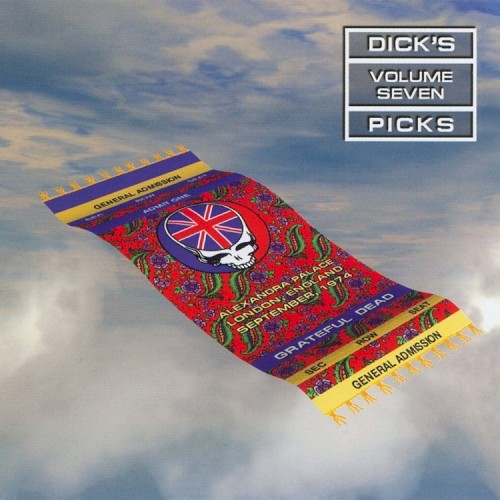
At the same time, the Grateful Dead's enormous archive became a central part of their legacy. Series such as Dick's Picks and Dave's Picks, along with complete concert releases and massive box sets, have documented hundreds of performances and reinforced the idea that the band's live recordings are just as important as its studio albums.
The Grateful Dead ultimately played more than 2,000 concerts during their 30-year career, creating a body of live music almost unmatched in rock history. No two nights were intended to sound exactly alike, and their willingness to allow fans to record and exchange performances helped build a community that survived long after the band itself ended.
More than simply a psychedelic-rock group, the Grateful Dead created an entire musical ecosystem built around improvisation, community, artistic freedom, live performance, and a direct relationship between musicians and fans. Their approach became the blueprint for the modern jam-band movement, influencing artists such as Phish and generations of musicians who view the concert itself as a constantly evolving creative experience.
Decades after their final performance, the Grateful Dead remain less like a conventional legacy act and more like an ongoing culture — one sustained by recordings, imagery, Deadhead communities, successor bands, and listeners continually discovering what the group called a long, strange trip.
Artist Facts
- The band was originally called The Warlocks, but Jerry Garcia reportedly discovered the name Grateful Dead by randomly opening a dictionary after learning another group already used the name.
- The Grateful Dead officially allowed fans to record their concerts from a designated taping section beginning in 1984, helping create the enormous Deadhead tape-trading culture.
- Their enormous Wall of Sound concert system debuted in 1974 and became one of the most ambitious sound systems ever built for a touring rock band.
- Despite decades of popularity, "Touch of Grey" was the Grateful Dead's only Top 10 pop hit, arriving more than 20 years after the band formed.
- The Grateful Dead played more than 2,200 concerts during their 30-year career, with improvisation ensuring that performances could differ dramatically from one night to the next.
FAQ
- Who were the members of the Grateful Dead?
The original core lineup consisted of Jerry Garcia, Bob Weir, Phil Lesh, Ron "Pigpen" McKernan, and Bill Kreutzmann. Mickey Hart joined in 1967. Over the band's 30-year career, other important members included Tom Constanten, Keith and Donna Jean Godchaux, Brent Mydland, and Vince Welnick, while lyricist Robert Hunter was one of the group's most important creative collaborators.
- What genre were the Grateful Dead?
The Grateful Dead are generally classified as rock, psychedelic rock, and jam rock, but their music incorporated folk, country, blues, bluegrass, jazz, funk, reggae, and experimental music. Their extensive improvisation helped establish the musical approach later associated with jam bands.
- What is the Grateful Dead's most famous album?
American Beauty and Workingman's Dead, both released in 1970, are generally considered their most famous studio albums. American Beauty includes classics such as "Ripple," "Friend of the Devil," and "Sugar Magnolia," while Workingman's Dead features "Uncle John's Band" and "Casey Jones." Live albums such as Live/Dead and Europe '72 are equally important to understanding the band.
- What are the Grateful Dead's most famous songs?
Some of the Grateful Dead's best-known songs include "Truckin'," "Touch of Grey," "Casey Jones," "Friend of the Devil," "Ripple," "Uncle John's Band," "Sugar Magnolia," and "Scarlet Begonias." Many fans also consider extended live pieces such as "Dark Star" essential parts of the band's catalog.
- Are the Grateful Dead still together?
No. The Grateful Dead officially ended in 1995 following the death of Jerry Garcia. The surviving members subsequently performed together in several related projects, and the band's music has continued through extensive archival releases and successor groups.