Artist
Living Colour
Living Colour are an American rock band formed in New York City in 1984 by guitarist Vernon Reid. The band's best-known lineup features Reid, vocalist Corey Glover, drummer Will Calhoun, and bassist Doug Wimbish, who replaced original bassist Muzz Skillings in the early 1990s.
Living Colour emerged from New York's downtown music scene with a sound that refused to fit neatly into one category. Their music combined hard rock, heavy metal, funk, punk, jazz, soul, hip-hop, and experimental music while addressing racism, politics, identity, inequality, media, and American culture.
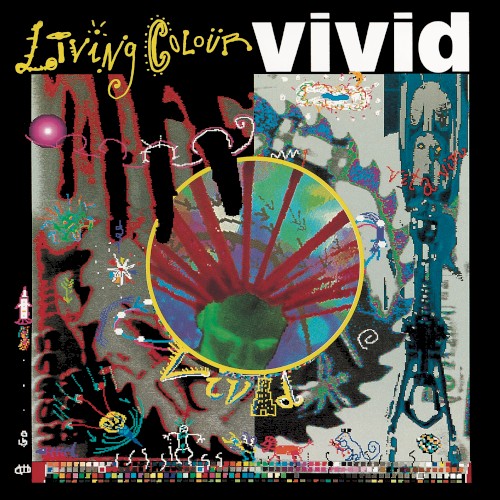
Their 1988 debut album, Vivid, became a breakthrough success behind "Cult of Personality," "Glamour Boys," "Open Letter (To a Landlord)," and "Funny Vibe." The album established Living Colour as one of the most original rock bands of the era, while "Cult of Personality" earned the group its first Grammy Award.
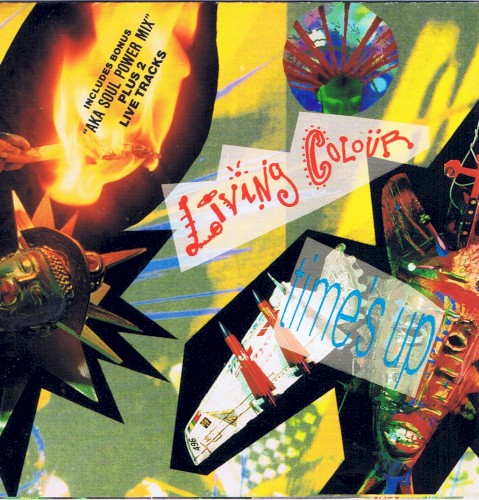
The band pushed even further with Time's Up in 1990, blending heavy rock with jazz, funk, hardcore, African music, and socially conscious songwriting. The album earned Living Colour a second Grammy Award for Best Hard Rock Performance.
After Stain in 1993, the group separated in the mid-1990s before reuniting at the beginning of the 2000s. Subsequent albums including Collideøscope, The Chair in the Doorway, and Shade demonstrated that Living Colour's genre-defying approach remained intact.
More than four decades after their formation, Living Colour remain an active touring band. Their combination of elite musicianship, heavy guitar music, funk rhythms, experimentation, and social commentary helped challenge assumptions about who could make hard rock and has influenced generations of alternative, metal, funk-rock, and progressive musicians.
Studio albums
Similar Artists
History
Living Colour's story began in New York City during the early 1980s, centered around guitarist Vernon Reid.
Born in London and raised in Brooklyn, Reid had already developed a reputation as an adventurous guitarist through his work with drummer Ronald Shannon Jackson's Decoding Society and other musicians associated with New York's experimental jazz and downtown scenes.
Reid wanted to create a band that could combine the freedom of jazz and funk with the power of hard rock while rejecting the increasingly rigid genre boundaries surrounding Black musicians in the American record industry.
Around 1984, he began developing the group that became Living Colour.
That mission was closely connected with another important organization in Reid's career. In 1985, Reid helped found the Black Rock Coalition with journalist Greg Tate and producer Konda Mason. The organization advocated for greater creative freedom and industry opportunities for Black musicians whose work fell outside conventional R&B and hip-hop categories.
Living Colour gradually developed its defining lineup around vocalist Corey Glover, bassist Muzz Skillings, and drummer Will Calhoun.
Glover brought a powerful voice capable of moving between soul, rock, metal, and theatrical performance. Calhoun, a Berklee-trained drummer, contributed extraordinary rhythmic versatility, while Skillings provided a strong funk-oriented foundation underneath Reid's adventurous guitar work.
The band built its reputation through New York clubs including CBGB, where its combination of hard rock, funk, punk, jazz, and socially conscious lyrics stood apart from much of the mainstream rock scene.
One of Living Colour's most important early supporters was Mick Jagger.
The Rolling Stones singer saw the band perform, became impressed with their music, and invited Reid to contribute to his solo work. Jagger subsequently produced demo recordings for Living Colour and helped the group gain industry attention.
Living Colour signed with Epic Records and began work on its debut album.
Vivid was released in 1988.
The album captured the enormous range of the band's influences. Heavy guitar riffs existed alongside funk rhythms, jazz-inspired musicianship, soul vocals, punk energy, and politically aware songwriting.
Its defining track became "Cult of Personality."
Built around one of Vernon Reid's most recognizable guitar riffs, the song examined the dangerous attraction of charismatic political leaders and public figures. Recordings of speeches from figures including Malcolm X and John F. Kennedy framed the song's exploration of power and personality.
"Cult of Personality" became a major MTV hit and pushed Living Colour into the mainstream.
Other tracks demonstrated how much broader the band was than a single hit.
"Open Letter (To a Landlord)" addressed housing, displacement, and urban inequality. "Funny Vibe" confronted racial prejudice and fear. "Glamour Boys" criticized materialism and status, while their version of Talking Heads' "Memories Can't Wait" demonstrated the band's ability to reinterpret another artist's music entirely on its own terms.
Vivid became a major commercial success.
At the 1990 Grammy Awards, "Cult of Personality" won Best Hard Rock Performance, giving Living Colour its first Grammy.
Rather than repeat the debut's formula, Living Colour became even more adventurous.
Their second album, Time's Up, arrived in 1990.
The record incorporated hard rock, metal, jazz, funk, hardcore punk, soul, hip-hop, and African musical influences while addressing environmental destruction, racism, history, identity, and cultural conflict.
Songs including "Type," "Love Rears Its Ugly Head," "Solace of You," "Elvis Is Dead," and the title track demonstrated the band's expanding ambitions.
Guests and collaborators further broadened the album's musical world.
Time's Up earned Living Colour another Grammy Award, winning Best Hard Rock Performance at the 1991 ceremony.
The band also appeared on the inaugural Lollapalooza tour in 1991, placing them alongside artists helping redefine alternative rock at the beginning of the decade.
After Time's Up, the group released the EP Biscuits before undergoing an important lineup change.
Muzz Skillings left the band and was replaced by Doug Wimbish, an extraordinarily versatile bassist whose background included hip-hop, funk, session work, and experimental music.
Wimbish had been heavily involved with the legendary Sugar Hill Records house band and brought another dimension to Living Colour's rhythm section.
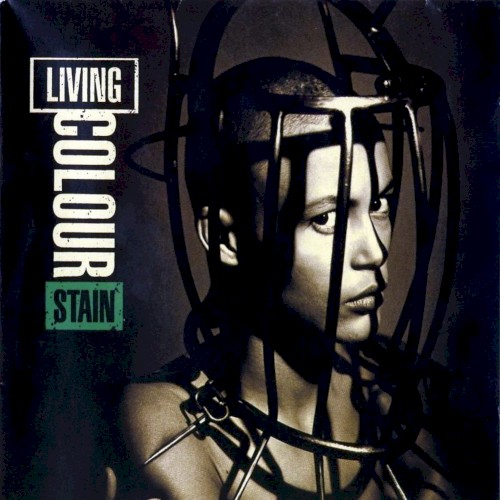
The new lineup recorded Stain, released in 1993.
The album was heavier, darker, and more aggressive than its predecessors. Songs such as "Leave It Alone," "Ausländer," "Bi," and "Go Away" reflected alternative metal, industrial rock, grunge, and the increasingly heavy musical environment of the early 1990s.
"Leave It Alone" earned the group another Grammy nomination.
Despite the band's creative momentum, internal disagreements about musical direction eventually became difficult to resolve.
Living Colour disbanded in 1995.
During the hiatus, each member pursued other projects.
Vernon Reid released solo material and continued collaborating with musicians across jazz, rock, experimental music, and hip-hop. Corey Glover pursued acting and solo music. Will Calhoun explored jazz and world music, while Calhoun and Doug Wimbish also worked together in the experimental group Jungle Funk.
The separation lasted several years.
In December 2000, Glover, Calhoun, and Wimbish were performing at CBGB when Vernon Reid joined them onstage.
The reunion unexpectedly reignited the band's chemistry.
Living Colour officially reunited and returned to touring in 2001.
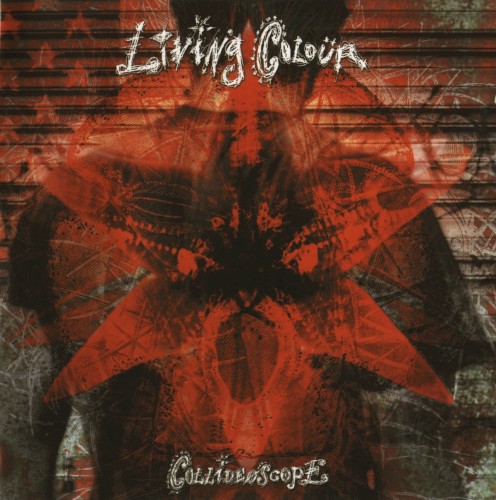
Their first studio album following the reunion was Collideøscope, released through Sanctuary Records in 2003.
The record arrived in the aftermath of the September 11 attacks and explored war, technology, social conflict, and the political environment of the early 2000s while continuing the group's tradition of blending rock with funk and experimentation.
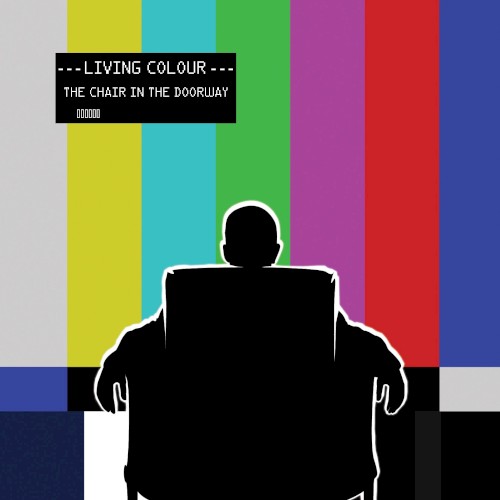
Living Colour followed with The Chair in the Doorway in 2009 through Megaforce Records.
The album demonstrated that the reunited lineup was not interested simply in performing its older material. Songs such as "Burned Bridges" and "Behind the Sun" continued expanding the band's mixture of hard rock, blues, funk, and experimental music.
Another long gap between albums followed.
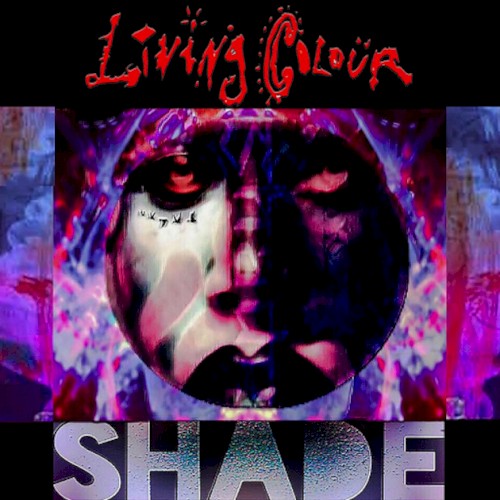
In 2017, Living Colour released Shade.
The album deliberately explored the relationship between the blues and heavy rock, tracing connections between African American musical traditions and the rock music that developed from them.
Alongside original material, the record included interpretations of songs associated with artists including Robert Johnson and The Notorious B.I.G., demonstrating how Living Colour continued to see blues, hip-hop, rock, and metal as parts of a connected musical history.
Shade became the band's sixth studio album and remains their most recent full-length studio record.
The band's influence extends beyond its discography.
Living Colour emerged during a period when mainstream American rock was marketed overwhelmingly around white artists, even though the foundations of rock and roll were deeply rooted in Black blues, R&B, gospel, and other African American traditions.
Their success directly challenged those industry assumptions.
The Black Rock Coalition, which Reid helped establish, became part of a broader movement supporting musicians who rejected narrow expectations about what Black artists were supposed to sound like.
Living Colour also helped create a path for the genre-blending rock that flourished during the 1990s.
Their combination of metal, funk, punk, hip-hop, and alternative music anticipated many of the stylistic crossovers that became increasingly common during the decade.
At the same time, the musicianship within the group gave them credibility across very different musical communities.
Vernon Reid became recognized as one of rock's most distinctive guitarists. Will Calhoun's drumming reflected jazz-level technical ability alongside heavy-rock power. Doug Wimbish brought decades of funk and hip-hop experience, while Corey Glover's vocals could move from soulful melody to aggressive hard rock.
Decades after Vivid, the band remains active.
Living Colour continued performing throughout 2026, including its ongoing 40-year celebrations, and has already announced touring dates extending into 2027.
Their legacy rests not simply on "Cult of Personality," although that song remains one of the defining rock singles of the late 1980s.
Living Colour demonstrated that hard rock could incorporate funk, jazz, soul, punk, hip-hop, politics, experimental music, and Black musical history without sacrificing intensity.
From Vivid and Time's Up through Stain, their reunion, and Shade, Living Colour have consistently rejected musical boundaries.
That refusal to fit neatly into a category is ultimately what made the band important in the first place and what continues to make their music distinctive more than four decades after their formation.
Artist Facts
1. Mick Jagger was an important early supporter of Living Colour, producing demo recordings and helping the band attract the attention that eventually led to its Epic Records deal.
2. Vernon Reid co-founded the Black Rock Coalition in 1985 with Greg Tate and Konda Mason to advocate for greater creative freedom and opportunities for Black musicians working outside traditional industry categories.
3. Living Colour have won two Grammy Awards, with "Cult of Personality" winning Best Hard Rock Performance and Time's Up winning the same category the following year.
4. Original bassist Muzz Skillings was replaced by Doug Wimbish, whose pre-Living Colour career included extensive work within the pioneering Sugar Hill Records hip-hop scene.
5. Living Colour remain active more than 40 years after forming and have already announced touring dates extending into 2027.
FAQ
- Who are the members of Living Colour?
Living Colour's current lineup consists of Vernon Reid on guitar, Corey Glover on vocals, Will Calhoun on drums, and Doug Wimbish on bass. Original bassist Muzz Skillings played on the band's breakthrough albums Vivid and Time's Up before Wimbish joined in the early 1990s.
- What genre are Living Colour?
Living Colour are most commonly associated with hard rock, alternative metal, funk metal, and alternative rock, but their music also incorporates jazz, soul, punk, blues, hip-hop, and experimental music. Their resistance to remaining within a single genre is one of the band's defining characteristics.
- What is Living Colour's most famous album?
Vivid, released in 1988, is Living Colour's most famous album. It includes "Cult of Personality," "Glamour Boys," "Open Letter (To a Landlord)," "Funny Vibe," and "Middle Man." Their second album, Time's Up, is also considered a major part of their legacy and won a Grammy Award.
- What are Living Colour's most famous songs?
Living Colour's best-known songs include "Cult of Personality," "Glamour Boys," "Love Rears Its Ugly Head," "Type," "Open Letter (To a Landlord)," "Funny Vibe," "Leave It Alone," and "Solace of You."
- Are Living Colour still together?
Yes. Living Colour remain an active band with Vernon Reid, Corey Glover, Will Calhoun, and Doug Wimbish. The group performed throughout 2026 and has announced additional touring for 2027. Their most recent full-length studio album is Shade, released in 2017.