Artist
B.B. King
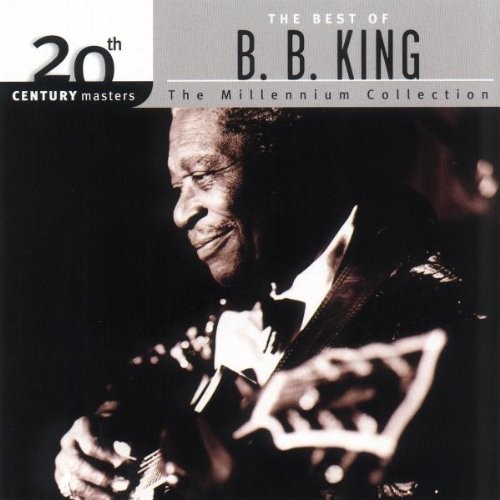
B.B. King was an American blues singer, guitarist, songwriter, and bandleader born Riley B. King on September 16, 1925, in Mississippi. Known worldwide as the King of the Blues, he developed one of the most recognizable guitar styles in music, built around expressive string bends, precise phrasing, and a distinctive vibrato that allowed his guitar to seemingly answer his voice.
After moving to Memphis in the late 1940s, King became a fixture on Beale Street and local radio, where his nickname evolved from Beale Street Blues Boy to Blues Boy and finally B.B. King. His breakthrough came with "Three O'Clock Blues," which became a major R&B hit in the early 1950s and launched a relentless touring career that would eventually take him around the world.
Songs including "The Thrill Is Gone," "Every Day I Have the Blues," "Sweet Little Angel," "Rock Me Baby," "How Blue Can You Get?," and "Why I Sing the Blues" became standards of modern electric blues. His celebrated live album Live at the Regal captured the emotional connection between King, his guitar, and his audience and became one of the defining live blues recordings.
Across a career spanning more than six decades, B.B. King helped carry the blues from Southern juke joints and the Chitlin' Circuit to major concert halls, television, international festivals, and mainstream rock audiences. His influence can be heard in generations of guitarists, and his combination of technical restraint, emotional depth, and unmistakable tone established him as one of the most important musicians in American music history.
Studio albums
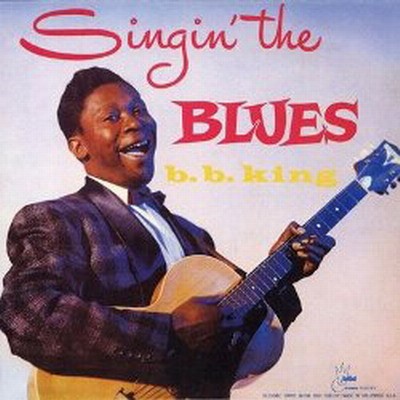 Singin’ the Blues1957Album
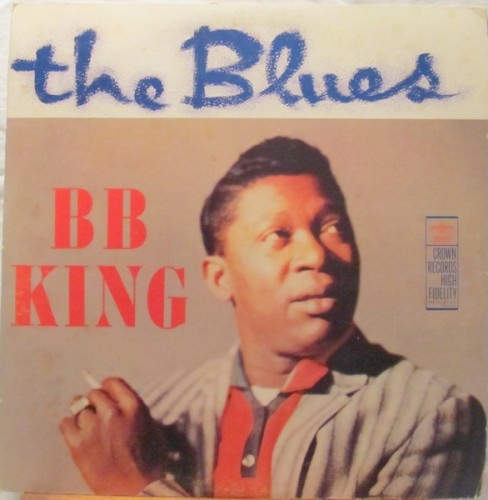 The Blues1958Album
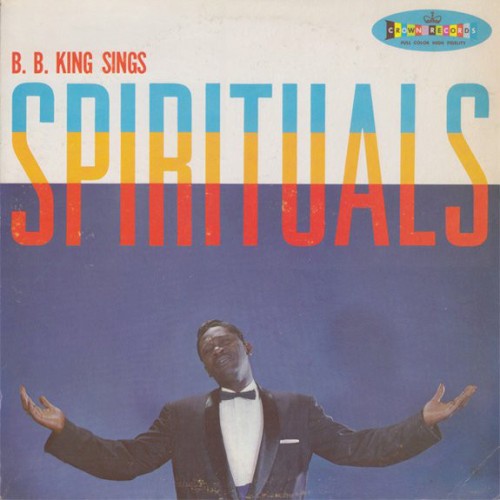 B.B. King Sings Spirituals1959Album
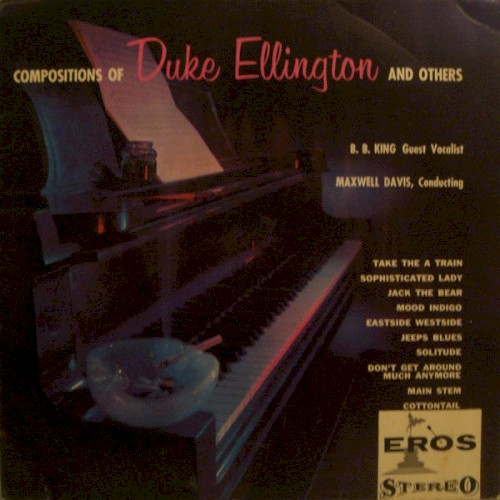 Compositions of Duke Ellington and Others1960Album
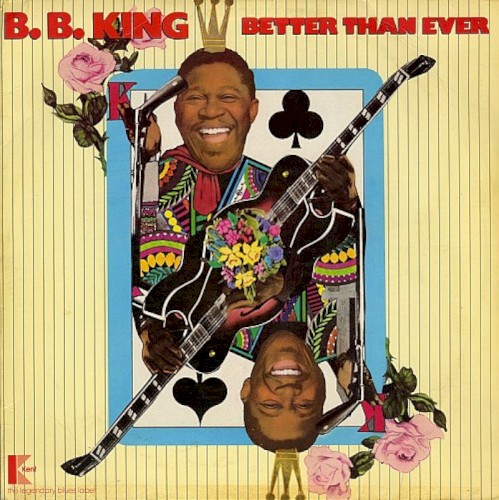 King of the Blues1960Album
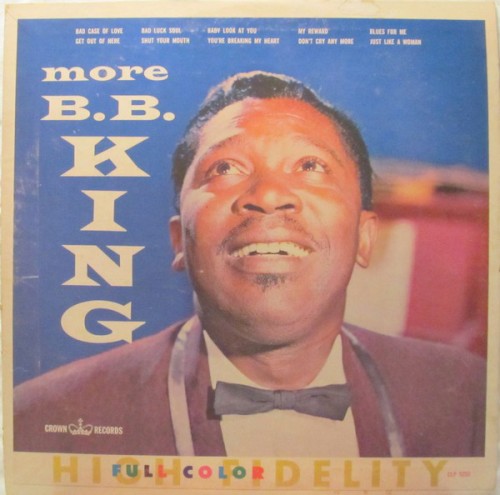 More B. B. King1961Album
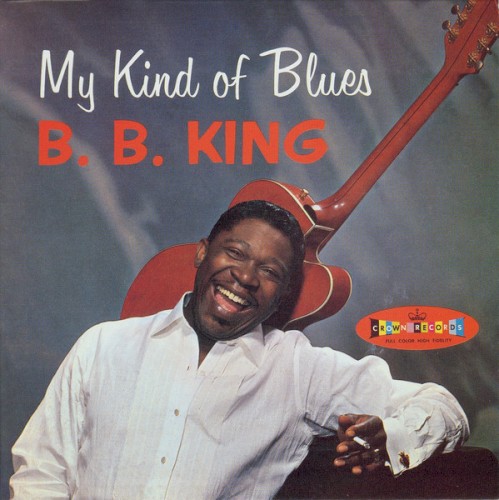 My Kind of Blues1961Album
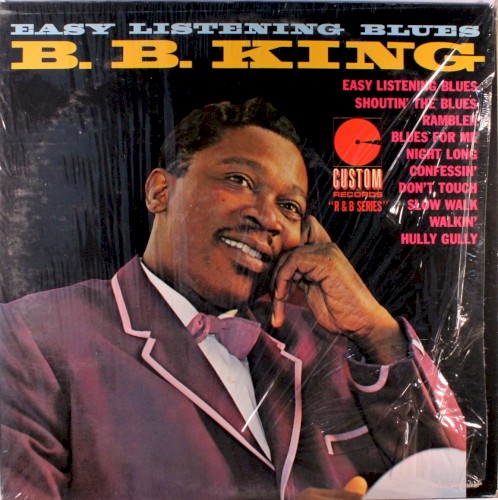 Easy Listening Blues1962Album
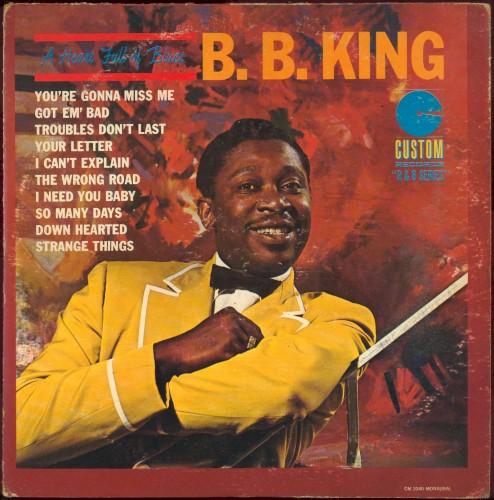 Blues in My Heart1963Album
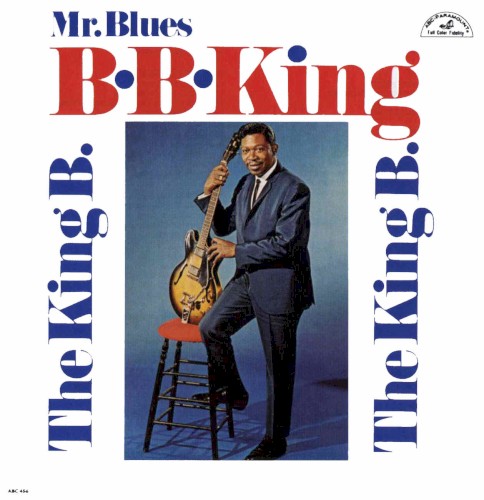 Mr. Blues1963Album
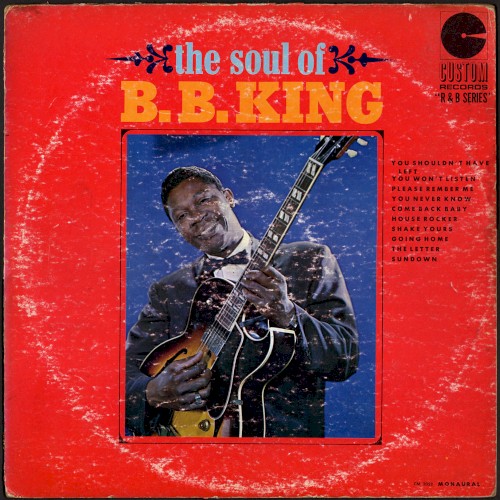 The Soul of B.B. King1963Album
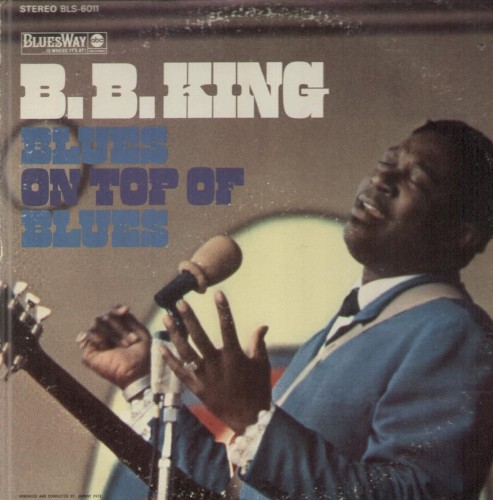 Blues on Top of Blues1968Album
Compilations
Similar Artists
History
B.B. King was born Riley B. King on September 16, 1925, in Mississippi and grew up in the Mississippi Delta, a region whose music, churches, farms, and communities played an essential role in the development of the blues.
King's early life was difficult. His parents separated when he was young, and after his mother's death he spent much of his youth working on farms. Music became increasingly important to him through church, gospel singing, and the guitar. He was largely self-taught and absorbed influences from blues and jazz musicians while developing an approach that placed melody and emotion ahead of flashy technique.
In the late 1940s, King made his way to Memphis, Tennessee, one of the most important centers of blues and rhythm and blues in America. Memphis exposed him to a much larger musical world, particularly around Beale Street, where musicians performed in clubs, theaters, restaurants, and street corners.
King soon appeared on radio and developed a following. His on-air identity evolved from Beale Street Blues Boy to Blues Boy King and eventually the much simpler B.B. King, the name under which he would become internationally famous.
He made his first commercial recordings for Bullet Records in 1949 before signing with RPM Records, one of the labels operated by the Bihari brothers. King recorded extensively during the 1950s, developing a sound that combined blues guitar with horn-driven rhythm and blues arrangements.
His career changed dramatically with "Three O'Clock Blues." Released in the early 1950s, the record became a No. 1 R&B hit and transformed King from a regional performer into a national touring attraction.
King quickly became one of the hardest-working performers in American music. He traveled extensively through the network of clubs and theaters known as the Chitlin' Circuit, playing hundreds of shows each year. In 1956 alone, King and his band performed more than 300 engagements.
During this period, he built an extraordinary catalog of blues recordings. Songs such as "You Upset Me Baby," "Sweet Little Angel," "Please Love Me," "Sweet Sixteen," and "Every Day I Have the Blues" established King as one of the leading figures in electric blues.
His guitar style was unlike that of most players around him. King rarely relied on large chords. Instead, he used carefully chosen single notes, dramatic string bends, pauses, and a highly recognizable vibrato. He frequently described the guitar as an extension of his singing voice, creating a call-and-response conversation between his vocals and his instrument.
That instrument became almost as famous as King himself.
King called his guitars Lucille. The name originated after a fire broke out during a performance at a dance hall. King escaped the building but returned to save his guitar. He later learned that the fight that reportedly started the incident involved a woman named Lucille. King began using the name as a reminder never to risk his life over something so unnecessary again.
In 1962, King signed with ABC Records, beginning another important stage of his career. The move gave him access to larger production budgets, wider distribution, and opportunities to reach audiences beyond the traditional blues market.
One of the most important recordings of this era was Live at the Regal. Recorded in Chicago and released in 1965, the album captured King in front of an intensely responsive audience and showcased his remarkable ability to control the emotional energy of a room. It became one of the most celebrated live albums in blues history and an essential document of King's performing style.
During the second half of the 1960s, a new generation of rock musicians was openly acknowledging its debt to American blues artists. Guitarists and bands in Britain and the United States increasingly cited King as a major influence.
In 1969, The Rolling Stones selected B.B. King as an opening act for a series of American concerts, exposing him to a large young rock audience that may never have encountered him through traditional blues venues.
That same period produced King's greatest crossover success.
His recording of "The Thrill Is Gone" transformed a blues song into a sophisticated, haunting production featuring strings alongside King's unmistakable guitar. Released in 1969, the song crossed over from the R&B charts to mainstream pop audiences and became his signature recording.
"The Thrill Is Gone" earned King a Grammy Award and permanently expanded his audience. From that point forward, he was no longer simply one of the biggest artists in blues. He had become an internationally recognizable musical figure.
Throughout the 1970s and 1980s, King maintained an extraordinary touring schedule. He performed throughout North America, Europe, Asia, Africa, and other parts of the world, becoming one of the genre's most important ambassadors.
His willingness to collaborate also helped introduce his music to successive generations. King performed and recorded with artists from blues, jazz, rock, pop, and R&B, demonstrating that his style could fit comfortably into many different musical settings without losing its identity.
In 1987, B.B. King was inducted into the Rock & Roll Hall of Fame and received the Recording Academy's Lifetime Achievement Award, formal recognition of an influence that musicians had acknowledged for decades.
Another major crossover moment came when King collaborated with U2 on "When Love Comes to Town," released on the band's 1988 album Rattle and Hum. The song and subsequent performances with U2 introduced King to another large generation of listeners.
King continued recording throughout the 1990s and 2000s. Albums such as Blues Summit brought him together with other major blues artists, while Deuces Wild featured collaborations with musicians from across popular music.
In 2000, King teamed with Eric Clapton for Riding with the King. The project became a major commercial success and won the Grammy Award for Best Traditional Blues Album, bringing together one of the blues' greatest original innovators with one of the rock guitarists most directly influenced by him.
King's influence extended far beyond specific recordings. His economical approach to guitar became a fundamental part of the vocabulary of electric blues and rock. Rather than filling every available space with notes, King demonstrated the power of restraint. A single bent note, sustained with his signature vibrato, could carry as much emotional force as an entire solo.
Guitarists including Eric Clapton, Buddy Guy, Carlos Santana, Stevie Ray Vaughan, and countless others drew inspiration from King's phrasing and tone. His impact eventually extended into virtually every style of guitar-based popular music.
Even as he grew older, King continued touring. Performing was central to his identity, and he remained on the road well into his eighties after spending decades playing hundreds of concerts per year.
B.B. King died on May 14, 2015, at age 89. By the end of his life, he had progressed from the cotton fields and street corners of Mississippi to some of the world's most prestigious stages.
His legacy is enormous. King helped transform electric blues into an internationally recognized art form while bridging generations, races, musical genres, and cultures. He brought the blues to audiences who might otherwise never have encountered it and became one of its most recognizable ambassadors.
Yet his greatest contribution may be heard in the simplest moments: a voice sings a phrase, the voice stops, and Lucille answers.
That conversation between B.B. King and his guitar became one of the defining sounds of the blues and secured his place as the King of the Blues.
Artist Facts
- B.B. stood for “Blues Boy,” shortened from his early Memphis radio nickname “Beale Street Blues Boy.”
- King named his guitars Lucille after reportedly risking his life to retrieve a guitar from a burning dance hall where a fight involving a woman named Lucille had broken out.
- B.B. King was an astonishingly prolific touring musician, performing 343 one-night engagements in 1956 alone.
- “The Thrill Is Gone” reached No. 15 on the Billboard pop chart, giving King the biggest crossover hit of his career.
- King was inducted into the Rock & Roll Hall of Fame in 1987, the same year he received the Recording Academy Lifetime Achievement Award.
FAQ
- What was B.B. King's real name?
B.B. King's real name was Riley B. King. He was born on September 16, 1925, in Mississippi and eventually became known as the King of the Blues.
- What does B.B. in B.B. King stand for?
The initials came from King's early Memphis radio nickname Beale Street Blues Boy. That was shortened to Blues Boy King and eventually simply B.B. King.
- Why did B.B. King call his guitar Lucille?
King began calling his guitars Lucille after escaping from a fire at a dance hall and then risking his life by returning to retrieve his guitar. He later learned that the fight connected to the fire involved a woman named Lucille and adopted the name as a reminder never to take such a risk again.
- What are B.B. King's most famous songs?
Some of B.B. King's best-known songs include "The Thrill Is Gone," "Every Day I Have the Blues," "Sweet Little Angel," "Rock Me Baby," "How Blue Can You Get?," "Three O'Clock Blues," and "Why I Sing the Blues."
- Why is B.B. King considered so influential?
B.B. King helped define the sound of modern electric blues through his expressive string bends, distinctive vibrato, melodic phrasing, and call-and-response approach between his voice and guitar. His style influenced generations of blues and rock guitarists and helped bring the blues to a worldwide audience.