Artist
Fleetwood Mac
Fleetwood Mac are a British-American rock band formed in London in 1967 by guitarist Peter Green, drummer Mick Fleetwood, and guitarist Jeremy Spencer, with bassist John McVie joining soon afterward. Originally one of Britain's leading blues bands, Fleetwood Mac underwent one of the most dramatic transformations in rock history, eventually becoming a defining force in 1970s and 1980s pop-rock.
The band's early years were driven by Green's expressive guitar playing and produced blues-rock classics including "Albatross," "Black Magic Woman," "Oh Well," and "The Green Manalishi (With the Two Prong Crown)." After Green's departure and a series of lineup changes, Christine McVie became an increasingly important singer and songwriter.
Fleetwood Mac entered its most commercially successful era after Lindsey Buckingham and Stevie Nicks joined in 1975. Alongside Mick Fleetwood, John McVie, and Christine McVie, they created the self-titled Fleetwood Mac and the enormously successful Rumours, which featured "Dreams," "Go Your Own Way," "Don't Stop," "The Chain," and "You Make Loving Fun."
The group continued experimenting with albums such as Tusk, Mirage, and Tango in the Night, producing an extraordinary catalog shaped by three distinctive songwriters: Nicks, Buckingham, and Christine McVie. Their music combined rock, pop, folk, blues, harmonies, studio experimentation, and deeply personal songwriting.
Fleetwood Mac were inducted into the Rock & Roll Hall of Fame in 1998. Across numerous lineup changes and more than five decades of music, they evolved from a British blues band into one of the most successful and influential groups in rock history.
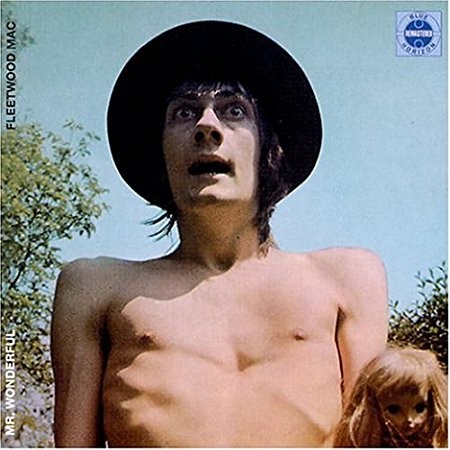
Studio albums
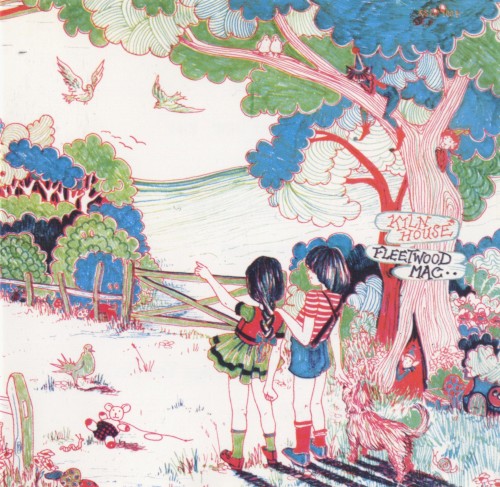
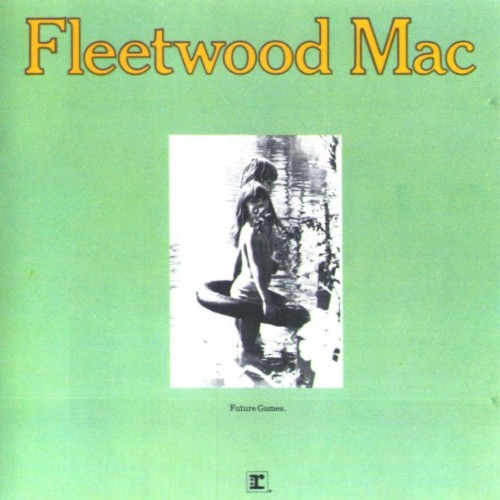
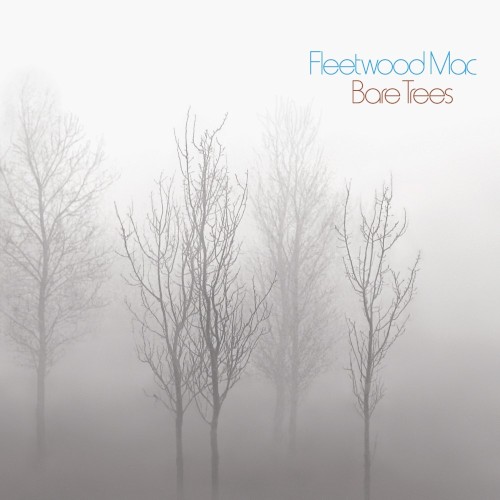
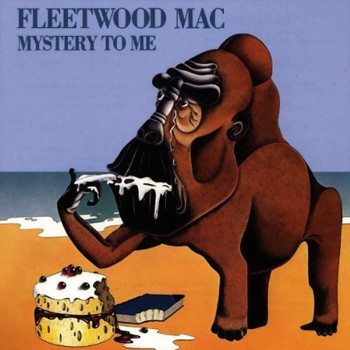
Live albums
Similar Artists
History
Fleetwood Mac were formed in London in 1967 during the height of Britain's blues revival.
The group's origins were closely connected to John Mayall's Bluesbreakers, one of the most important training grounds for British blues musicians. Guitarist Peter Green, drummer Mick Fleetwood, and bassist John McVie all passed through Mayall's organization before becoming central figures in Fleetwood Mac.
Green and Fleetwood initially formed the new band with guitarist Jeremy Spencer, naming it Fleetwood Mac after Fleetwood and McVie. Although John McVie did not immediately join, he soon became the group's bassist and completed the core early lineup.
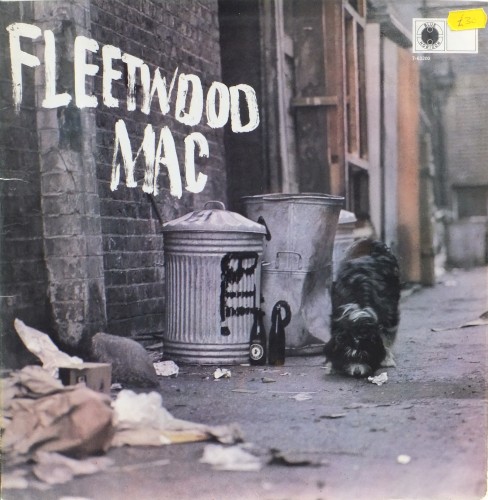
Fleetwood Mac's self-titled debut album arrived in 1968 through Blue Horizon Records. The record was deeply rooted in traditional blues and immediately established the band as one of the leading acts in the British blues movement.
Peter Green quickly emerged as an exceptional guitarist and songwriter.
The band's early catalog included "Black Magic Woman," "Need Your Love So Bad," "Albatross," "Oh Well," and "The Green Manalishi (With the Two Prong Crown)."
"Albatross," an atmospheric instrumental released in 1968, became Fleetwood Mac's only No. 1 single in the United Kingdom. It demonstrated that Green's ambitions extended well beyond traditional blues.
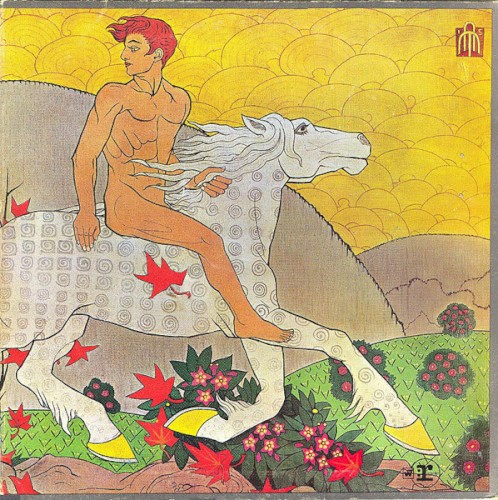
Guitarist Danny Kirwan joined during this period, expanding the band's musical possibilities and contributing to albums such as Then Play On.
Despite Fleetwood Mac's growing success, Peter Green was struggling personally. His relationship with fame, money, and the music industry became increasingly difficult, and he left the band in 1970.
Green's departure could easily have ended Fleetwood Mac.
Instead, the band began a long period of reinvention.
Keyboardist and singer Christine Perfect, who had married John McVie and become Christine McVie, officially joined Fleetwood Mac in 1970. She brought a warm, melodic songwriting style that would eventually become one of the defining elements of the band's sound.
The early 1970s were marked by constant lineup changes.
Jeremy Spencer left unexpectedly in 1971, while Danny Kirwan departed the following year. Guitarists and singers including Bob Welch, Bob Weston, and Dave Walker moved through the group during a period when Fleetwood Mac gradually moved away from British blues toward softer rock and melodic songwriting.
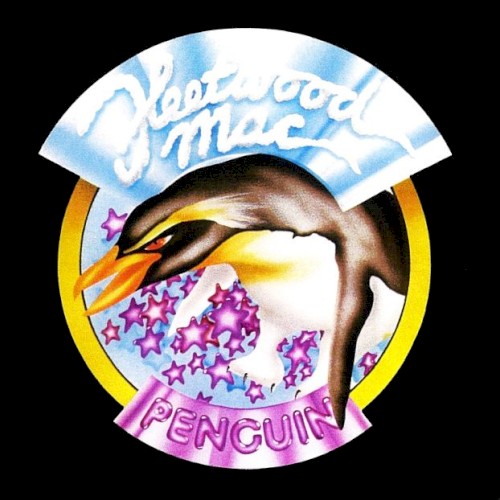
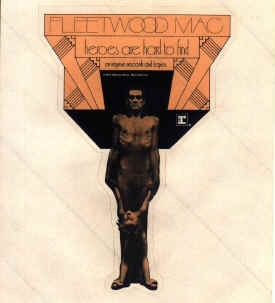
Albums such as Future Games, Bare Trees, Penguin, Mystery to Me, and Heroes Are Hard to Find documented this transition.
American guitarist and songwriter Bob Welch became especially important during these years. His songs and atmospheric style helped bridge the gap between the Peter Green blues era and the polished California sound that followed.
By the mid-1970s, Fleetwood Mac's center of gravity had shifted from Britain to California.
Bob Welch left the band in 1974, creating another opening in the lineup.
While visiting Sound City Studios in Los Angeles, Mick Fleetwood heard a recording from an album by the duo Buckingham Nicks, featuring guitarist Lindsey Buckingham and singer Stevie Nicks.
Fleetwood was impressed by Buckingham's guitar playing and invited him to join Fleetwood Mac.
Buckingham agreed on one condition: Stevie Nicks would join as well.
The addition of Buckingham and Nicks created what would become Fleetwood Mac's most famous lineup: Mick Fleetwood, John McVie, Christine McVie, Lindsey Buckingham, and Stevie Nicks.
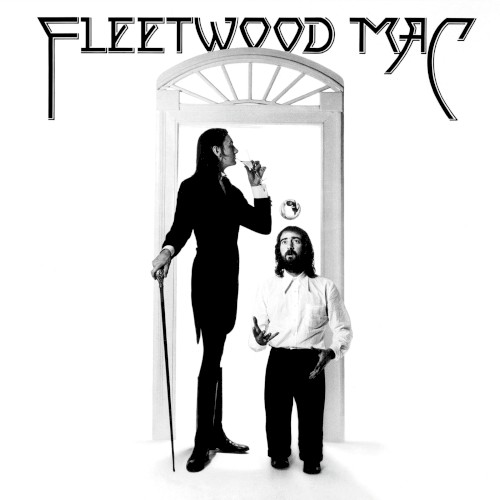
Their first album together, Fleetwood Mac, was released in 1975.
The album produced "Rhiannon," "Say You Love Me," "Over My Head," and "Landslide." Initially a gradual commercial success, the record eventually reached No. 1 in the United States and transformed Fleetwood Mac into one of the biggest bands in the world.
What happened next became part of rock mythology.
As the band prepared its follow-up, relationships inside Fleetwood Mac were falling apart.
John and Christine McVie were divorcing. Lindsey Buckingham and Stevie Nicks were ending their longtime romantic relationship. Mick Fleetwood's marriage was also collapsing.
Rather than destroying the band, those personal conflicts became the emotional foundation for Rumours.
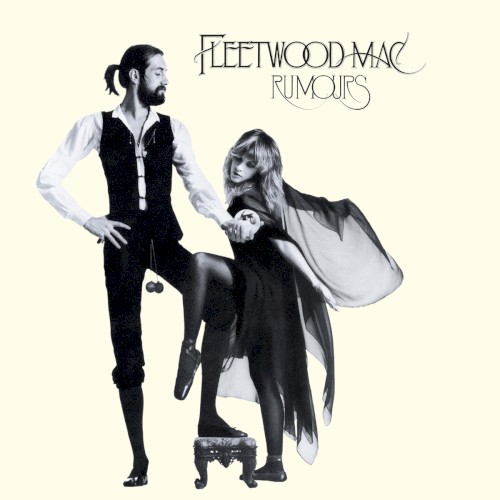
Released in 1977, Rumours included "Dreams," "Go Your Own Way," "Don't Stop," "You Make Loving Fun," "Second Hand News," "Gold Dust Woman," and "The Chain."
The songs frequently addressed the relationships unfolding within the band itself. Buckingham and Nicks wrote about one another. Christine McVie wrote about her own changing relationships. The musicians then had to perform and harmonize on songs that sometimes described their own breakups.
The result became one of the defining albums of the 1970s.
Rumours reached No. 1, became an enormous international seller, and won the Grammy Award for Album of the Year.
Stevie Nicks' "Dreams" became Fleetwood Mac's only No. 1 single on the U.S. Billboard Hot 100.
Rather than attempt to make another Rumours, Lindsey Buckingham pushed the band toward something stranger and more experimental.
The result was Tusk in 1979.
Recorded at enormous expense, the double album combined polished Fleetwood Mac pop with punk-influenced experimentation, unusual home-recording techniques, sparse arrangements, and Buckingham's increasingly unconventional production ideas.
Songs such as "Tusk," "Sara," "Think About Me," and "Sisters of the Moon" demonstrated how far the band was willing to stretch its sound.
Although Tusk sold fewer copies than Rumours, its reputation grew considerably over time and it became highly influential among alternative and indie musicians.
The band returned to a more accessible sound with Mirage in 1982. The album included "Hold Me," "Gypsy," and "Love in Store."
During the same period, individual members were establishing successful solo careers.
Stevie Nicks became a major solo star with albums including Bella Donna. Lindsey Buckingham pursued increasingly experimental solo work, while Christine McVie also released solo material.
Fleetwood Mac reconvened for Tango in the Night in 1987.
Originally developed from material Buckingham intended for a solo project, the album became another major commercial success. It featured "Big Love," "Little Lies," "Everywhere," "Seven Wonders," and "Isn't It Midnight."
The record demonstrated the strength of Fleetwood Mac's three-songwriter structure more than a decade after Buckingham and Nicks had joined.
Lindsey Buckingham left the band shortly before the tour supporting Tango in the Night.
Fleetwood Mac continued with guitarists Billy Burnette and Rick Vito, releasing Behind the Mask in 1990.
Stevie Nicks subsequently left the group, and Fleetwood Mac entered another period of changing lineups. The 1995 album Time featured a significantly different version of the band and achieved limited commercial success.
Then, unexpectedly, the classic lineup returned.
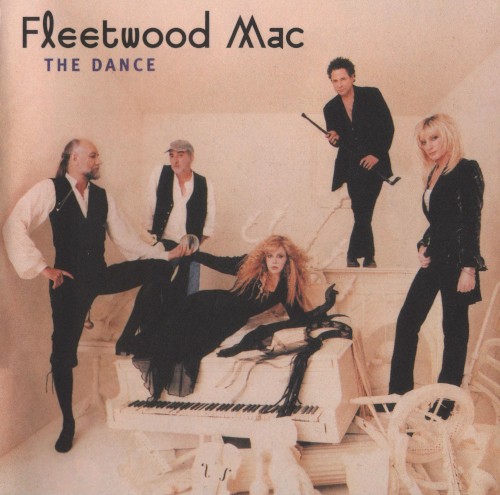
In 1997, Fleetwood, John McVie, Christine McVie, Buckingham, and Nicks reunited for a concert project titled The Dance.
The performances revisited the band's classic catalog and included a powerful new version of "Silver Springs," a Stevie Nicks song originally recorded during the Rumours sessions but left off the album.
The Dance became a major commercial success and introduced the classic Fleetwood Mac lineup to another generation.
Fleetwood Mac had already been recognized as one of rock's most important bands when they were inducted into the Rock & Roll Hall of Fame in 1998. The inducted lineup reflected several eras of the group, including Peter Green, Jeremy Spencer, Danny Kirwan, Mick Fleetwood, John McVie, Christine McVie, Stevie Nicks, and Lindsey Buckingham.
Christine McVie later stepped away from regular touring, leaving Fleetwood Mac operating primarily around Fleetwood, John McVie, Buckingham, and Nicks.
The band released Say You Will in 2003, its first studio album without Christine McVie as a full-time member. The album featured songs including "Peacekeeper" and "Say You Will."
Christine eventually returned to Fleetwood Mac in 2014, restoring the classic five-member lineup for another major tour.
Another significant change came in 2018, when Lindsey Buckingham left the group. Fleetwood Mac brought in Mike Campbell of Tom Petty and the Heartbreakers and Neil Finn of Crowded House for subsequent touring.
That same year, Fleetwood Mac became the first band ever named MusiCares Person of the Year.
The death of Christine McVie in 2022 marked another profound turning point. Her voice, keyboards, songwriting, and melodic sensibility had been central to Fleetwood Mac for more than half a century.
The band's history is unusual because there is no single Fleetwood Mac sound.
The Peter Green era produced some of the finest British blues of the late 1960s. The Bob Welch years moved toward atmospheric rock and helped relocate the band's musical identity toward California. The Buckingham-Nicks lineup transformed Fleetwood Mac into one of the defining pop-rock bands of the 1970s and 1980s.
Through it all, Mick Fleetwood and John McVie provided the rhythmic foundation that connected the band's radically different eras.
Few groups have survived so many personnel changes while repeatedly reinventing themselves at such a high creative level.
From "Albatross" and "Oh Well" to "Rhiannon," "Dreams," "Go Your Own Way," "The Chain," "Gypsy," "Everywhere," and "Little Lies," Fleetwood Mac created a catalog spanning blues, rock, folk, pop, and experimental music.
Their story is one of constant transformation, personal conflict, extraordinary songwriting, and an unusual ability to turn instability into music.
More than half a century after their formation, Fleetwood Mac remain one of the most recognizable and influential bands in rock history.
Artist Facts
1. The name Fleetwood Mac comes from drummer Mick Fleetwood and bassist John McVie, combining Fleetwood's surname with McVie's "Mac" nickname.
2. Fleetwood Mac began as a British blues band led by Peter Green, sounding dramatically different from the pop-rock group that later recorded Rumours.
3. Stevie Nicks and Lindsey Buckingham joined together in 1975 after Mick Fleetwood heard music from their duo Buckingham Nicks while visiting Sound City Studios.
4. "Dreams" is Fleetwood Mac's only No. 1 single on the U.S. Billboard Hot 100, despite the band having one of the most recognizable catalogs in rock history.
5. Fleetwood Mac became the first band ever honored as MusiCares Person of the Year in 2018, recognizing both their musical career and charitable support.
FAQ
- Who were the members of Fleetwood Mac?
Fleetwood Mac have had numerous lineups since forming in 1967. Their most famous lineup consisted of Mick Fleetwood on drums, John McVie on bass, Christine McVie on keyboards and vocals, Lindsey Buckingham on guitar and vocals, and Stevie Nicks on vocals. Important earlier members included Peter Green, Jeremy Spencer, Danny Kirwan, and Bob Welch.
- What genre are Fleetwood Mac?
Fleetwood Mac have moved through several genres during their career, including British blues, blues rock, folk rock, soft rock, pop rock, and classic rock. Their early Peter Green recordings are heavily blues-based, while the Buckingham-Nicks era is known for polished pop-rock, vocal harmonies, and highly personal songwriting.
- What is Fleetwood Mac's most famous album?
Rumours, released in 1977, is Fleetwood Mac's most famous album. It features "Dreams," "Go Your Own Way," "Don't Stop," "The Chain," "You Make Loving Fun," and "Gold Dust Woman." The album won the Grammy Award for Album of the Year and became one of the defining records of the 1970s.
- What are Fleetwood Mac's most famous songs?
Some of Fleetwood Mac's best-known songs include "Dreams," "Go Your Own Way," "The Chain," "Rhiannon," "Landslide," "Don't Stop," "Everywhere," "Little Lies," "Gypsy," "You Make Loving Fun," and "Big Love." Their earlier blues era also produced classics such as "Albatross," "Oh Well," and "Black Magic Woman."
- Are Fleetwood Mac still together?
Fleetwood Mac have not returned to regular band activity following the death of Christine McVie in 2022. The surviving members remain active individually, but the classic Fleetwood Mac lineup can no longer reunite in its original form.