Artist
Led Zeppelin
Led Zeppelin were an English rock band formed in London in 1968 by guitarist Jimmy Page, singer Robert Plant, bassist and keyboardist John Paul Jones, and drummer John Bonham. Emerging from the ashes of The Yardbirds, the group quickly developed a massive, powerful sound built around blues, hard rock, folk, acoustic music, and heavy improvisation.
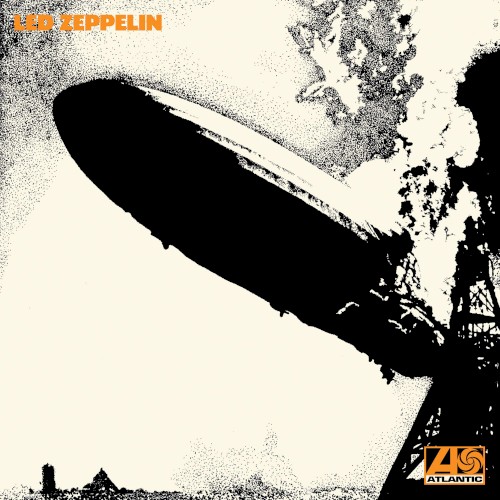
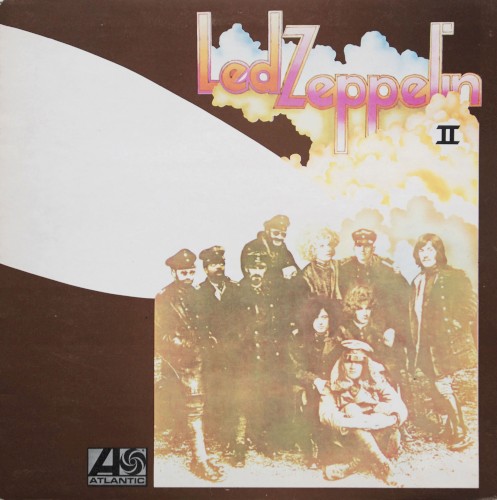
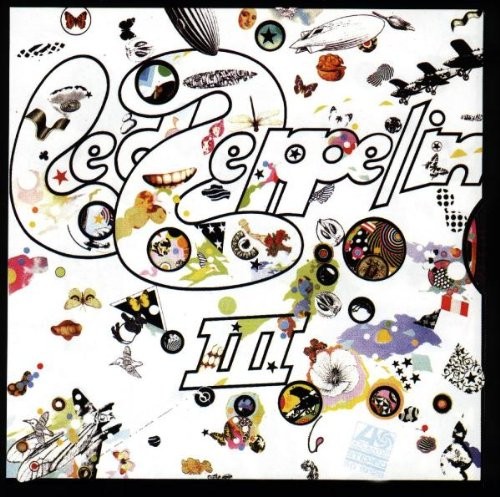
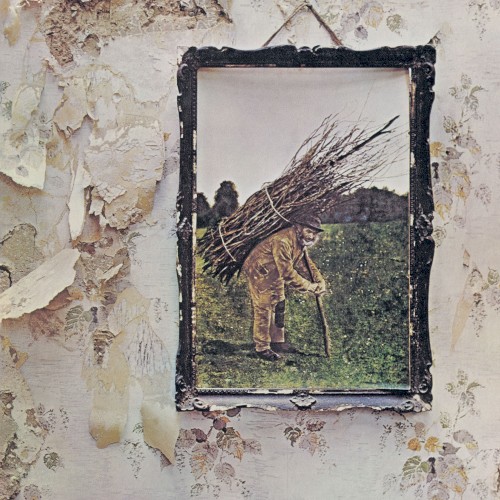
Their first four albums — Led Zeppelin, Led Zeppelin II, Led Zeppelin III, and Led Zeppelin IV — established the band as one of the dominant forces in rock music. Songs such as "Whole Lotta Love," "Immigrant Song," "Black Dog," "Rock and Roll," "Kashmir," and "Stairway to Heaven" became staples of classic rock and helped define the sound of the 1970s.
Led Zeppelin were known for both their studio experimentation and their explosive live performances. Jimmy Page's layered guitar production, Robert Plant's soaring vocals, John Paul Jones' versatility, and John Bonham's thunderous drumming created a sound that influenced generations of hard rock and heavy metal artists.
The band's original career ended in 1980 following Bonham's death, but Led Zeppelin's reputation has only grown over time. Their albums remain among the most celebrated in rock history, while their influence can be heard across hard rock, heavy metal, alternative rock, and countless other genres.
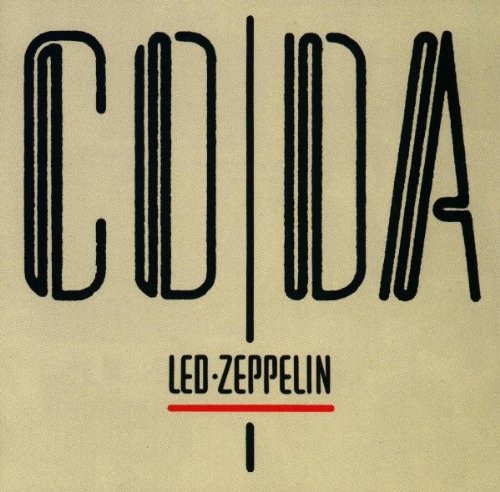
Studio albums
Similar Artists
History
History of Led Zeppelin
Led Zeppelin were formed in 1968 after guitarist Jimmy Page began assembling a new group following the breakup of The Yardbirds. Page had already built a strong reputation as both a session musician and a member of The Yardbirds, and he initially planned to continue performing under the name The New Yardbirds.
Page recruited John Paul Jones, an accomplished bassist, keyboardist, arranger, and session musician, before being introduced to vocalist Robert Plant. Plant then recommended drummer John Bonham, a powerful and technically gifted musician from the English Midlands.
The chemistry between the four musicians was immediate.
The newly formed group completed a short Scandinavian tour under the New Yardbirds name before officially becoming Led Zeppelin. The name was inspired by a joke suggesting that the band might go down "like a lead balloon," with the spelling changed to "Led" to avoid mispronunciation.
Led Zeppelin signed with Atlantic Records and released their self-titled debut album in 1969. Recorded quickly and with relatively little studio time, Led Zeppelin combined blues standards, original material, acoustic passages, and heavy guitar riffs. Songs such as "Good Times Bad Times," "Dazed and Confused," "Communication Breakdown," and "Babe I'm Gonna Leave You" immediately established the band's sound.
Their second album, Led Zeppelin II, followed later in 1969 and pushed the group into mainstream superstardom. Recorded partly while the band was touring, the album featured "Whole Lotta Love," "Heartbreaker," "Ramble On," and "Moby Dick." Its combination of blues-based riffing, extended solos, and heavier production became enormously influential on hard rock and the emerging heavy metal genre.
Rather than repeat the same formula, Led Zeppelin shifted direction with Led Zeppelin III in 1970. The album incorporated more acoustic, folk, and pastoral influences, reflecting time Page and Plant spent at a remote cottage in Wales called Bron-Yr-Aur. Tracks such as "Immigrant Song," "Since I've Been Loving You," and "That's the Way" demonstrated the group's growing range.
In 1971, Led Zeppelin released the untitled album commonly known as Led Zeppelin IV. It became their defining studio achievement and one of the most famous rock albums ever made. The record included "Black Dog," "Rock and Roll," "The Battle of Evermore," "Going to California," and "Stairway to Heaven."
"Stairway to Heaven" was never released as a standard commercial single in the United States, yet it became one of the most frequently played and recognized songs in rock history. Its gradual progression from acoustic folk to a dramatic electric climax became a model for ambitious rock songwriting.
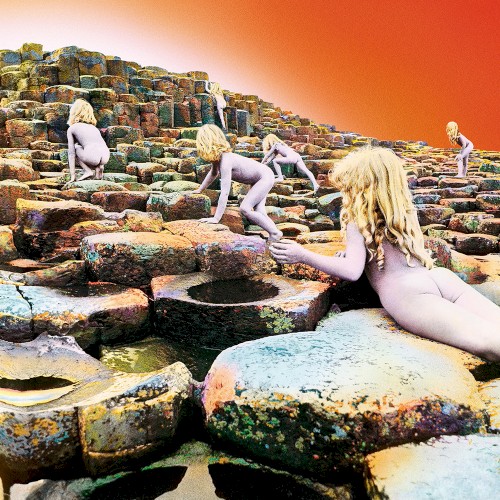
The band's next album, Houses of the Holy, arrived in 1973 and continued expanding their sound. It incorporated funk, reggae, progressive rock, and layered studio production on tracks such as "The Song Remains the Same," "The Rain Song," "Over the Hills and Far Away," and "D'yer Mak'er."
By this period, Led Zeppelin had become one of the biggest touring bands in the world. Their concerts were known for their volume, extended improvisation, and long performances, with songs often transformed dramatically from their studio versions.
In 1974, the band established its own label, Swan Song Records, which gave Led Zeppelin greater control over its music and business affairs. The label also signed and released music by other artists.
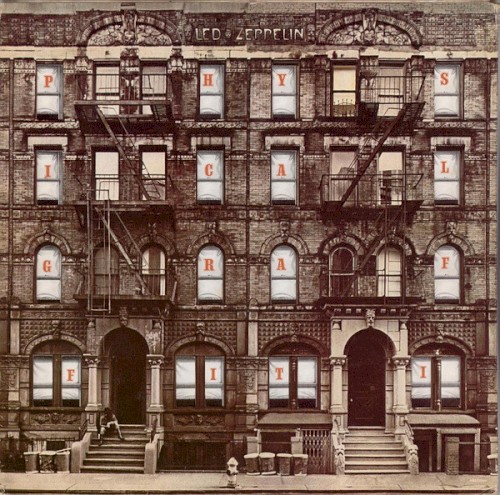
The first Led Zeppelin album released through Swan Song was Physical Graffiti in 1975. The double album mixed new recordings with previously unreleased material and became one of the most acclaimed releases of their career. It included "Kashmir," "Trampled Under Foot," "In My Time of Dying," and "Ten Years Gone."
"Kashmir" became one of the band's signature songs, combining an unusual rhythmic structure with orchestral and Eastern-influenced textures. Robert Plant and Jimmy Page both later cited it as one of the band's most important recordings.
The band's momentum was interrupted in 1975 when Robert Plant and his family were involved in a serious car accident while vacationing in Greece. Plant suffered significant injuries, forcing Led Zeppelin to cancel touring plans.
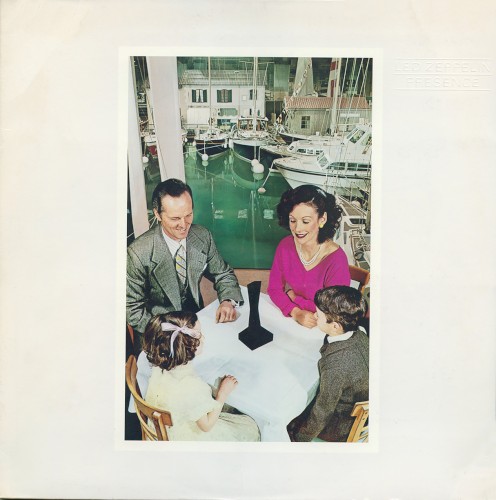
During Plant's recovery, the band recorded Presence, released in 1976. The album included the epic "Achilles Last Stand" and showcased a darker, more direct sound built around Page's layered guitars and Bonham's forceful drumming.
That same year, Led Zeppelin released the concert film and soundtrack The Song Remains the Same, documenting performances from Madison Square Garden in 1973.
Tragedy continued to affect the group. In 1977, Robert Plant's young son Karac died unexpectedly, leading to the cancellation of the remainder of the band's North American tour.
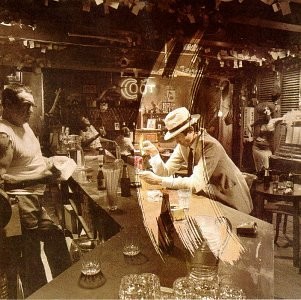
Led Zeppelin returned with In Through the Out Door in 1979. The album featured a greater role for John Paul Jones, particularly through keyboards and synthesizers, and included songs such as "In the Evening," "Fool in the Rain," and "All My Love."
The band's original career came to an abrupt end in 1980. On September 25, drummer John Bonham died at age 32 after a day of heavy drinking. Rather than replace him, Page, Plant, and Jones announced that they could not continue as Led Zeppelin without Bonham.
In the years that followed, the surviving members pursued separate projects, although they occasionally reunited for special performances. These included Live Aid in 1985, an Atlantic Records anniversary concert in 1988, and other one-off appearances.
The most celebrated reunion took place on December 10, 2007, at London's O2 Arena for the Ahmet Ertegun Tribute Concert. Page, Plant, and Jones were joined by Jason Bonham, John Bonham's son, on drums. The performance was later released as Celebration Day.
Led Zeppelin were inducted into the Rock & Roll Hall of Fame in 1995, formally recognizing their enormous impact on rock music.
Their influence extends far beyond record sales or classic-rock radio. Led Zeppelin helped define the sound of hard rock, provided a blueprint for heavy metal, expanded the possibilities of album-oriented rock, and demonstrated how blues, folk, world music, and studio experimentation could coexist within a powerful rock framework.
From Jimmy Page's monumental riffs and production to Robert Plant's vocals, John Paul Jones' musicianship, and John Bonham's unmistakable drumming, Led Zeppelin created a sound that remains instantly recognizable more than five decades after the band's formation.
Their original career lasted just over a decade, but Led Zeppelin remain one of the most influential and important rock bands ever formed.
Artist Facts
- Led Zeppelin originally performed as The New Yardbirds before changing their name shortly after forming in 1968.
- "Stairway to Heaven" was never released as a standard U.S. commercial single, despite becoming one of the most famous songs in rock history.
- The four symbols on the cover of Led Zeppelin IV represent Jimmy Page, John Paul Jones, John Bonham, and Robert Plant, with Page's mysterious "Zoso" symbol becoming especially famous.
- Led Zeppelin founded their own record label, Swan Song Records, in 1974, giving the band greater creative and business control.
- Led Zeppelin's 2007 reunion at London's O2 Arena reportedly generated millions of ticket requests for fewer than 20,000 available seats, making it one of the most sought-after reunion concerts ever.