Artist
Pink Floyd
Pink Floyd were an English rock band formed in London in 1965, initially featuring Syd Barrett, Roger Waters, Richard Wright, and Nick Mason. Guitarist and singer David Gilmour joined in 1967, shortly before Barrett's departure, establishing the lineup that would create the band's most celebrated albums.
Beginning as a leading force in London's psychedelic underground, Pink Floyd gradually evolved into one of the defining progressive and album-oriented rock bands of the 1970s. Their music combined experimental sound design, extended instrumental passages, conceptual storytelling, philosophical lyrics, innovative studio production, and some of the most recognizable album artwork in rock history.
Albums including Meddle, The Dark Side of the Moon, Wish You Were Here, Animals, and The Wall established Pink Floyd as one of the world's most successful and influential bands. Songs such as "Time," "Money," "Wish You Were Here," "Shine On You Crazy Diamond," "Comfortably Numb," "Another Brick in the Wall, Part 2," and "Echoes" became enduring classics.
The band's history was shaped by several distinct creative eras, from Barrett's psychedelic songwriting to the increasingly conceptual work led by Waters and the later period centered around Gilmour, Wright, and Mason. Pink Floyd were inducted into the Rock & Roll Hall of Fame in 1996.
Although their final studio album, The Endless River, was released in 2014, Pink Floyd's catalog remains active through archival projects, remixes, anniversary editions, and restored concert recordings. Their combination of music, technology, visual art, and large-scale live production permanently expanded the possibilities of what a rock album and concert could become.
Featured in The Gatefold
Studio albums
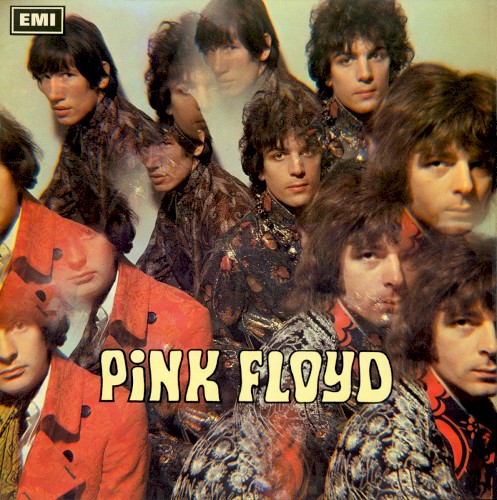 The Piper at the Gates of Dawn1967Album
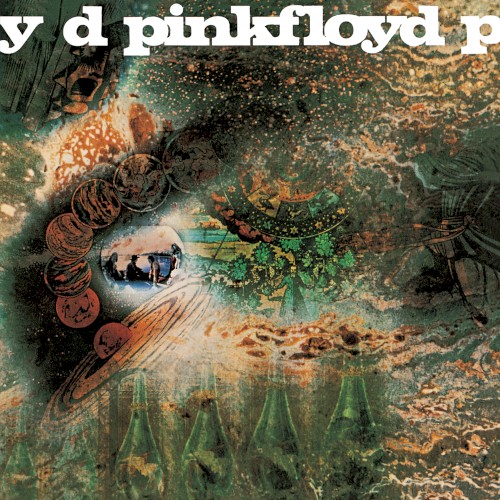 A Saucerful of Secrets1968Album
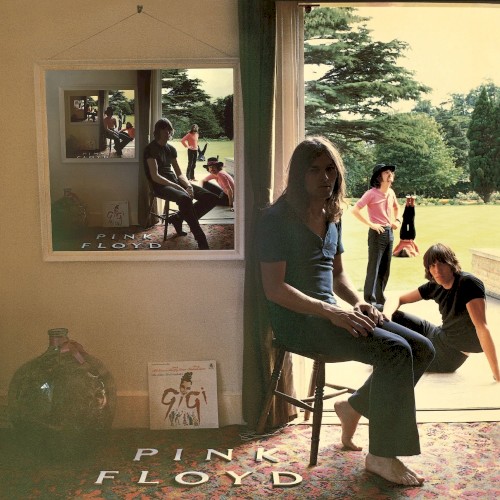 Ummagumma1969Album
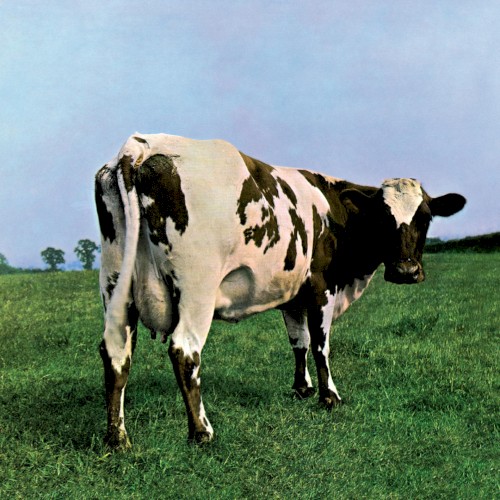 Atom Heart Mother1970Album
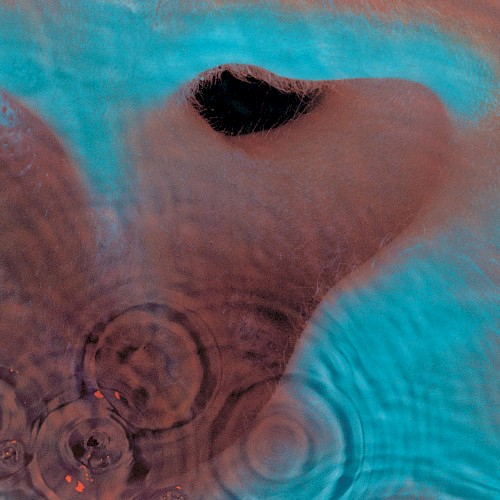 Meddle1971Album
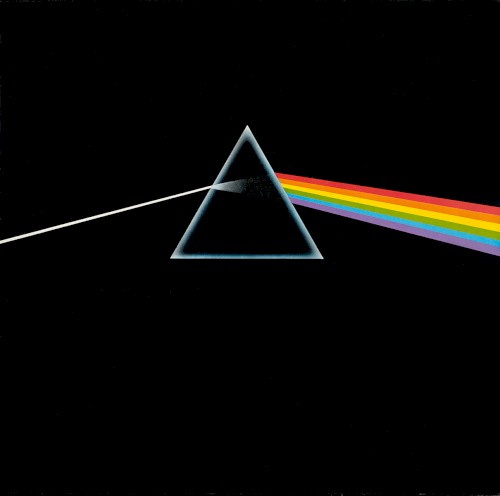 The Dark Side of the Moon1973Album
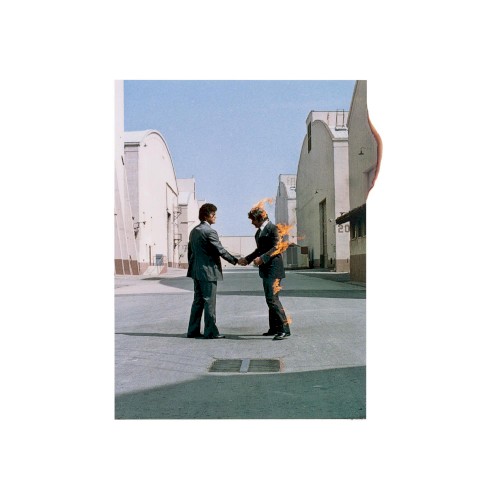 Wish You Were Here1975Album
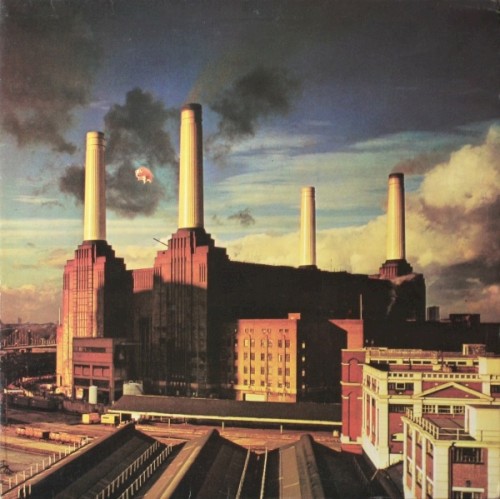 Animals1977Album
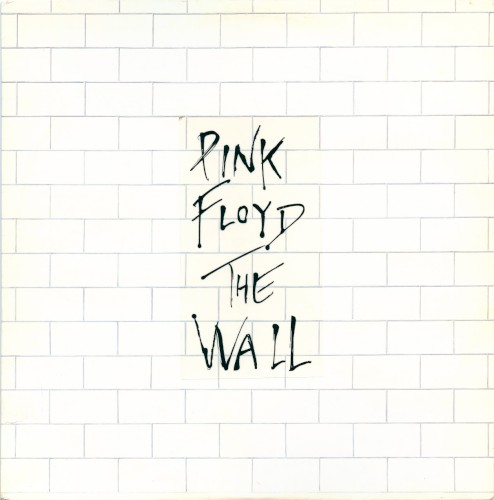 The Wall1979Album
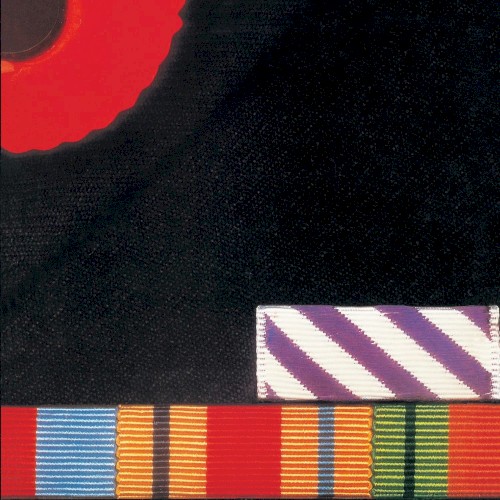 The Final Cut1983Album
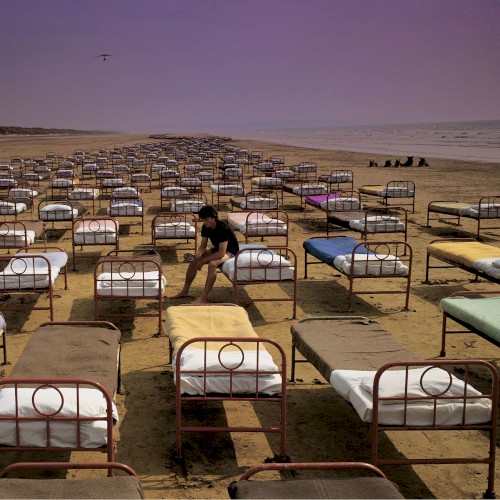 A Momentary Lapse of Reason1987Album
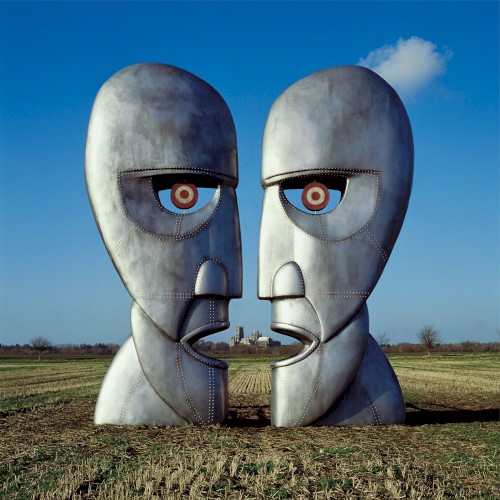 The Division Bell1994Album
Other releases
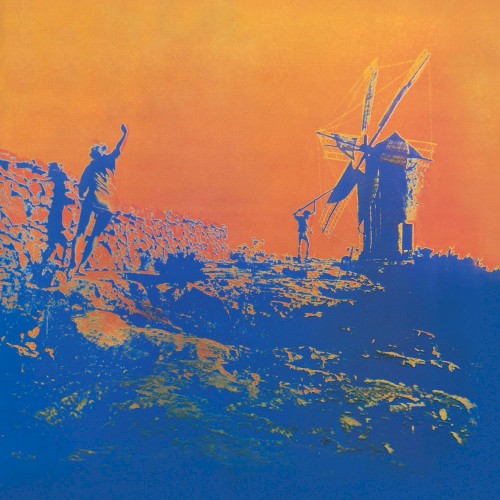
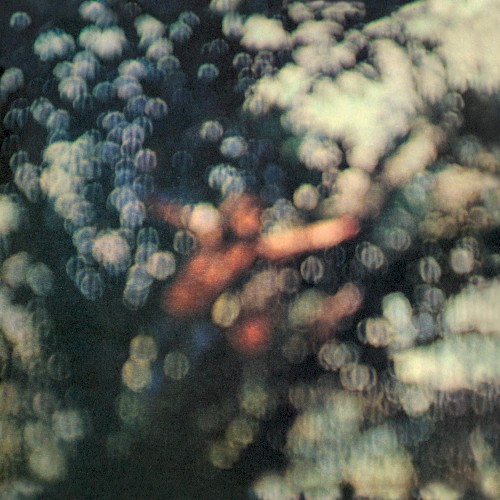
Similar Artists
History
Pink Floyd's story began in London in the mid-1960s, where architecture students Roger Waters, Richard Wright, and Nick Mason played together in several developing groups before guitarist and songwriter Syd Barrett joined them.
Barrett quickly became the creative center of the band.
The group experimented with several names before Barrett combined the names of American blues musicians Pink Anderson and Floyd Council to create The Pink Floyd Sound, eventually shortened to Pink Floyd.
The band became closely associated with London's emerging psychedelic underground, particularly venues such as the UFO Club, where their extended instrumental performances, improvisation, feedback, unusual lighting, and experimental sound effects made them one of the scene's defining acts.
Pink Floyd signed with EMI and released their first singles in 1967.
"Arnold Layne" and "See Emily Play" introduced Barrett's unusual songwriting style, combining English whimsy, psychedelia, pop melody, and surreal imagery.
Their debut album, The Piper at the Gates of Dawn, followed later that year.
Recorded at EMI's Abbey Road Studios, the album included "Astronomy Domine," "Lucifer Sam," "Matilda Mother," and "Interstellar Overdrive." It became one of the defining albums of British psychedelia.
Behind the band's growing success, however, Syd Barrett was becoming increasingly unreliable.
His behavior changed dramatically during 1967, and he frequently struggled to perform or communicate during concerts and recording sessions. The band brought in guitarist David Gilmour, an old acquaintance of Barrett, in early 1968.
The original idea was that Gilmour might handle live performances while Barrett continued contributing songs.
That arrangement proved impossible.
Barrett left Pink Floyd in 1968, ending the band's original era and creating an enormous creative challenge. He had been their primary songwriter, singer, and public identity.
Rather than dissolve, Pink Floyd reinvented themselves.
Roger Waters increasingly became the principal lyricist, while Gilmour's guitar and vocals, Wright's keyboards, and Mason's drumming helped develop a more expansive and atmospheric sound.
Albums such as A Saucerful of Secrets, More, Ummagumma, and Atom Heart Mother documented the band's transition away from Barrett's psychedelic pop toward longer compositions, instrumental experimentation, and progressive rock.
The transformation became especially clear with Meddle in 1971.
The album's second side was dominated by "Echoes," a roughly 23-minute composition that combined atmospheric sound, vocal harmonies, extended instrumental sections, experimental studio techniques, and carefully structured musical themes.
"Echoes" became an important bridge between Pink Floyd's experimental early years and the conceptual albums that would soon follow.
The band performed much of this period's material in extraordinary locations.
In 1971, Pink Floyd performed without a conventional audience inside the ancient Roman amphitheater at Pompeii, Italy. The performances became the basis of the film Pink Floyd: Live at Pompeii, one of the most distinctive concert films of the era.
Then came the album that changed everything.
Released in 1973, The Dark Side of the Moon transformed Pink Floyd into one of the world's biggest rock bands.
The album explored universal themes including time, mortality, money, mental health, conflict, and the pressures of modern life.
Songs flowed into one another, connected by sound effects, spoken voices, clocks, cash registers, heartbeats, and studio experimentation.
The album included "Breathe," "Time," "The Great Gig in the Sky," "Money," "Us and Them," "Brain Damage," and "Eclipse."
Engineer Alan Parsons played an important role in capturing and constructing the album's sound at Abbey Road Studios, while the iconic prism cover was designed by Hipgnosis, the design partnership closely associated with Pink Floyd's visual identity.
The Dark Side of the Moon became one of the most commercially successful albums ever recorded and remained on the Billboard album chart for an extraordinary period.
Rather than attempting to simply repeat its formula, Pink Floyd turned inward.
Their next album, Wish You Were Here, arrived in 1975.
Much of the record reflected the band's discomfort with the music industry and its memories of Syd Barrett.
The centerpiece, "Shine On You Crazy Diamond," was written as a tribute to Barrett. During the recording sessions, Barrett unexpectedly visited Abbey Road Studios, dramatically changed in appearance. Several members initially failed to recognize him.
The album also included "Welcome to the Machine," "Have a Cigar," and the title track "Wish You Were Here."
It became another defining Pink Floyd record.
Roger Waters' influence over the band's conceptual direction continued growing.
In 1977, Pink Floyd released Animals, a darker record loosely influenced by George Orwell's Animal Farm.
The album divided society metaphorically into Dogs, Pigs, and Sheep, using long compositions to explore greed, class, power, and social control.
Tracks including "Dogs," "Pigs (Three Different Ones)," and "Sheep" reflected an increasingly confrontational tone.
The tensions within the band were also becoming more significant.
Those tensions intensified during the creation of The Wall.
Released in 1979, the double album was largely conceived by Roger Waters and followed the fictional rock star Pink, who gradually isolates himself from the world by constructing a metaphorical wall around himself.
The story drew from Waters' own experiences, including the death of his father during World War II, alienation, fame, education, relationships, and the emotional distance between performers and audiences.
The album included "Another Brick in the Wall, Part 2," "Mother," "Hey You," "Run Like Hell," and "Comfortably Numb."
"Another Brick in the Wall, Part 2" became Pink Floyd's biggest singles-chart success, while "Comfortably Numb," featuring one of David Gilmour's most celebrated guitar solos, became a defining part of the band's catalog.
The live production for The Wall was extraordinarily ambitious.
During the concerts, a massive physical wall was gradually constructed between the band and the audience, while animation, projections, enormous inflatable characters, and theatrical staging transformed the performance into something closer to a multimedia production than a conventional rock concert.
The Rock & Roll Hall of Fame later described the production as a benchmark for future rock spectacles. :chatgpt-content-reference{index="1"}
The success of The Wall concealed increasingly severe internal problems.
Richard Wright was dismissed from the band during the sessions but remained as a salaried musician for the subsequent tour.
Roger Waters' dominance continued on The Final Cut in 1983.
The album was heavily shaped by Waters' political and personal concerns, particularly war, Britain's political leadership, and the memory of his father.
David Gilmour and Nick Mason contributed, but the collaborative dynamic that had produced the band's classic 1970s albums had largely disappeared.
Waters subsequently left Pink Floyd in the mid-1980s, believing the band had effectively reached its conclusion.
David Gilmour disagreed.
Gilmour and Mason continued under the Pink Floyd name, eventually joined again by Richard Wright. The resulting album, A Momentary Lapse of Reason, was released in 1987.
Songs including "Learning to Fly," "On the Turning Away," and "Sorrow" introduced a new version of Pink Floyd to another generation.
The band supported the album with an enormous international tour, demonstrating that Pink Floyd could remain commercially successful without Waters.
Their next studio album, The Division Bell, arrived in 1994.
With Wright more fully involved again, the record focused heavily on communication, relationships, and emotional distance. It included "High Hopes," "Keep Talking," "Take It Back," and "Coming Back to Life."
The subsequent tour was documented on the live album and film PULSE.
Pink Floyd were inducted into the Rock & Roll Hall of Fame in 1996.
For years, relations between Waters and the other members remained strained.
One of rock's most significant reunions finally occurred in 2005, when Waters joined Gilmour, Wright, and Mason onstage at Live 8 in London.
It was the first performance by that four-member lineup in more than two decades and ultimately the final time all four would perform together.
Richard Wright died in 2008.
His death made another reunion of Pink Floyd's classic 1970s lineup impossible.
In 2014, Gilmour and Mason released The Endless River.
Built largely from instrumental recordings made during sessions for The Division Bell, the album served partly as a tribute to Wright and became Pink Floyd's final studio album. The band's official discography continues to identify it as their last studio LP. :chatgpt-content-reference{index="2"}
Pink Floyd briefly returned with new music in 2022, when Gilmour and Mason recorded "Hey Hey Rise Up" with Ukrainian singer Andriy Khlyvnyuk. The track was released to raise humanitarian funds following Russia's invasion of Ukraine.
The band's legacy has increasingly been preserved through archival releases and new presentations of its catalog.
Anniversary editions of The Dark Side of the Moon and Wish You Were Here, restored versions of Pink Floyd at Pompeii, remixes, live recordings, and previously unreleased material have continued bringing the group's work to new audiences.
In 2026, Pink Floyd released the compilation 8-Tracks through Sony Music, focusing on the extraordinary 1971 to 1979 period that included Meddle, The Dark Side of the Moon, Wish You Were Here, Animals, and The Wall. :chatgpt-content-reference{index="3"}
That period represents one of the most remarkable creative runs in rock history.
Pink Floyd's importance extends far beyond individual songs.
They helped transform the rock album into an immersive experience in which music, lyrics, sound effects, artwork, sequencing, and conceptual themes could function as parts of a single larger work.
They also changed expectations for live performance.
From the experimental light shows of London's psychedelic underground to the enormous theatrical production of The Wall, Pink Floyd consistently treated visual presentation as an essential extension of their music.
Their history contains several very different bands within the same name: Syd Barrett's psychedelic Pink Floyd, the experimental post-Barrett group, Roger Waters' concept-driven era, and the later David Gilmour-led incarnation.
What connects those periods is a willingness to explore sound, atmosphere, technology, and ideas on a scale few rock bands attempted.
From "Interstellar Overdrive" and "Echoes" to The Dark Side of the Moon, "Wish You Were Here," Animals, and The Wall, Pink Floyd created music designed not simply to be heard, but experienced.
That ambition made them one of the defining bands of progressive rock and one of the most influential artists in the history of recorded music.
Artist Facts
1. The name Pink Floyd was created by Syd Barrett from the names of blues musicians Pink Anderson and Floyd Council, reflecting the blues influence behind the band's earliest music.
2. The Dark Side of the Moon became one of the longest-charting albums in Billboard history, turning Pink Floyd from a successful progressive-rock band into global superstars.
3. Syd Barrett unexpectedly visited Abbey Road Studios while Pink Floyd were recording Wish You Were Here, and his appearance had changed so dramatically that members of the band initially did not recognize him.
4. The original Wall concerts physically constructed a large wall across the stage during the performance, eventually separating the musicians from the audience as part of the album's central concept.
5. Pink Floyd were inducted into the Rock & Roll Hall of Fame in 1996, with Syd Barrett, David Gilmour, Nick Mason, Roger Waters, and Richard Wright recognized as members of the inducted lineup.
FAQ
- Who were the members of Pink Floyd?
Pink Floyd's principal members were Syd Barrett, Roger Waters, Richard Wright, Nick Mason, and David Gilmour. Barrett was the band's original singer, guitarist, and primary songwriter, while Gilmour joined in 1967 and became central to the band's classic 1970s lineup after Barrett departed.
- What genre were Pink Floyd?
Pink Floyd are primarily associated with psychedelic rock, progressive rock, art rock, and experimental rock. Their music also incorporated blues, ambient music, electronic experimentation, orchestral arrangements, and extended improvisation.
- What is Pink Floyd's most famous album?
The Dark Side of the Moon, released in 1973, is generally considered Pink Floyd's defining album. It includes "Time," "Money," "The Great Gig in the Sky," "Us and Them," "Brain Damage," and "Eclipse." Wish You Were Here and The Wall are also central to the band's legacy.
- What are Pink Floyd's most famous songs?
Some of Pink Floyd's best-known songs include "Wish You Were Here," "Comfortably Numb," "Another Brick in the Wall, Part 2," "Money," "Time," "Shine On You Crazy Diamond," "The Great Gig in the Sky," "Hey You," and "Learning to Fly."
- Are Pink Floyd still together?
Pink Floyd are not active as a conventional recording and touring band. Their final studio album, The Endless River, was released in 2014, although David Gilmour and Nick Mason reunited under the Pink Floyd name for the 2022 charity single "Hey Hey Rise Up." The band's catalog remains active through archival releases, remixes, anniversary editions, and compilations.