Artist
The Notorious B.I.G.
CrateTrax score 8.6 / 10 · 2 rated releases
The Notorious B.I.G. was an American rapper and songwriter from Brooklyn, New York, born Christopher Wallace on May 21, 1972. Also known as Biggie Smalls and simply Biggie, he became one of the defining voices of 1990s hip-hop through his effortless flow, vivid storytelling, dark humor, commanding presence, and ability to move between gritty street narratives and radio-ready hits.
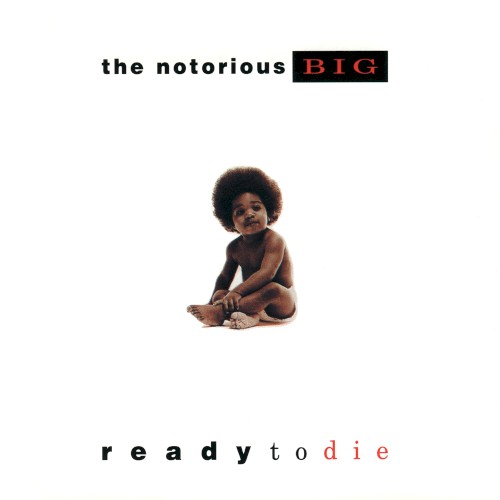
His debut album, Ready to Die, arrived in 1994 and transformed him into the centerpiece of Bad Boy Records and one of the biggest stars in East Coast hip-hop. Songs including "Juicy," "Big Poppa," "Warning," and "One More Chance" showcased a rapper equally comfortable telling cinematic stories, reflecting on poverty and ambition, or delivering charismatic party records.
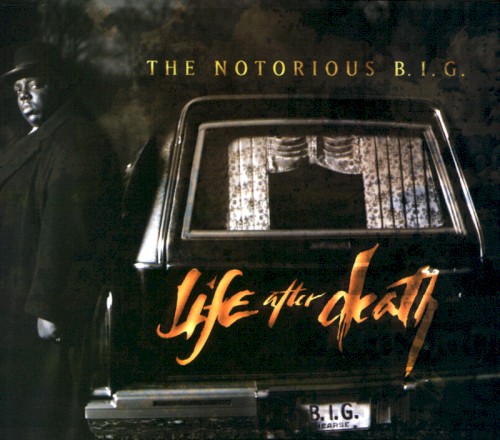
Biggie was killed in Los Angeles in March 1997 at just 24 years old, only weeks before the release of his second album, Life After Death. The double album became an enormous posthumous success and included classics such as "Hypnotize," "Mo Money Mo Problems," "Sky's the Limit," and "Ten Crack Commandments." Despite recording only two studio albums during his lifetime, The Notorious B.I.G. became one of the most influential rappers in history and remains a standard against which hip-hop storytelling and lyrical flow are measured.
Studio albums
Compilations
Similar Artists
History
The Notorious B.I.G. was born Christopher George Latore Wallace on May 21, 1972, in Brooklyn, New York. Raised primarily by his mother, Voletta Wallace, he grew up in the Bedford-Stuyvesant and Clinton Hill area of Brooklyn. His parents were Jamaican immigrants, and his father left the family when Christopher was young.
Wallace showed an early talent for language and became interested in rap as hip-hop culture spread throughout New York City. As a teenager, he began performing locally and developed a reputation for freestyle battles and an unusually smooth, confident delivery.
He initially performed under the name Biggie Smalls, inspired by a character from the 1975 film Let's Do It Again. Because another performer was already using the name, Wallace eventually adopted The Notorious B.I.G., although fans continued calling him Biggie throughout his career.
His path into the music industry accelerated after he recorded a demo that eventually reached Mister Cee, the DJ associated with Big Daddy Kane. The tape gained attention and helped Wallace earn a feature in The Source magazine's influential Unsigned Hype column.
Biggie soon attracted the attention of Sean "Puffy" Combs, who was then working at Uptown Records. Combs recognized Wallace's potential and began working with him. After Combs left Uptown and founded Bad Boy Records, Biggie became the new label's most important emerging artist.
Before releasing his debut album, Biggie began appearing on remixes and soundtrack recordings. His early appearances included remixes for Mary J. Blige and the 1993 solo track "Party and Bullshit," which helped build his reputation within hip-hop.
The Notorious B.I.G. released his debut album, Ready to Die, on September 13, 1994. The album combined autobiographical storytelling, street narratives, humor, violence, ambition, vulnerability, and reflections on mortality. Its production drew from soul, funk, R&B, and classic hip-hop while allowing Biggie's voice and storytelling to remain at the center.
The album's breakthrough single, "Juicy," told the story of Biggie's transformation from poverty and struggle to success. "Big Poppa" demonstrated his ability to create a relaxed crossover hit, while "Warning," "Gimme the Loot," "Everyday Struggle," and "Suicidal Thoughts" revealed the darker and more complex sides of his writing.
Ready to Die helped restore New York's position at the center of mainstream hip-hop during a period when West Coast artists such as Dr. Dre and Snoop Dogg had become dominant commercially. Biggie quickly became the flagship artist of Bad Boy Records and one of the most recognizable rappers in America.
His success also allowed him to support other artists. Biggie helped introduce the group Junior M.A.F.I.A., which included Lil' Kim and Lil' Cease. Their 1995 album, Conspiracy, featured the hit "Player's Anthem" and helped launch Lil' Kim's solo career.
During the same period, Biggie became entangled in the increasingly publicized rivalry between East Coast and West Coast hip-hop. His relationship with Tupac Shakur had originally been friendly, but tensions developed after Shakur was shot during a 1994 robbery in New York and later publicly accused people associated with the East Coast scene of knowing more about the attack.
The conflict became increasingly amplified by media coverage, record-label competition, and diss records. Tupac's "Hit 'Em Up" directly attacked Biggie and Bad Boy, making their personal dispute one of the most famous rivalries in music history.
Away from the controversy, Biggie continued recording his second album. The project became far more ambitious than his debut, expanding into a double album titled Life After Death. The title created an eerie connection with Ready to Die, especially given what happened before its release.
On March 9, 1997, Biggie was leaving a music-industry event in Los Angeles when he was shot during a drive-by attack. He was taken to Cedars-Sinai Medical Center, where he was pronounced dead. He was only 24 years old. His murder remains unsolved.
Just over two weeks later, on March 25, 1997, Life After Death was released. The album debuted at No. 1 on the Billboard 200 and became one of the biggest hip-hop albums of its era.
The record demonstrated how dramatically Biggie had developed as an artist. Tracks such as "Hypnotize" and "Mo Money Mo Problems" became massive crossover hits, while "Ten Crack Commandments," "What's Beef?," "Kick in the Door," "I Got a Story to Tell," "Notorious Thugs," and "Sky's the Limit" showed his versatility as a storyteller and lyricist.
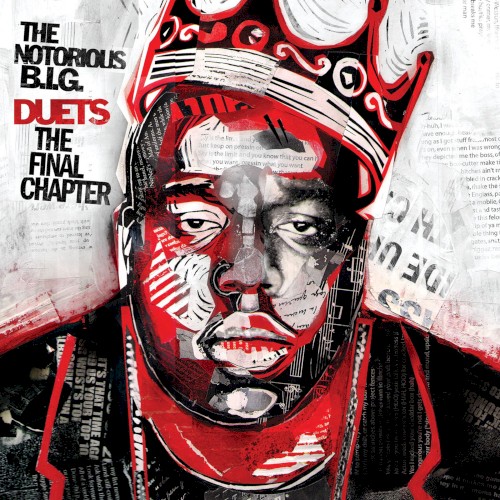
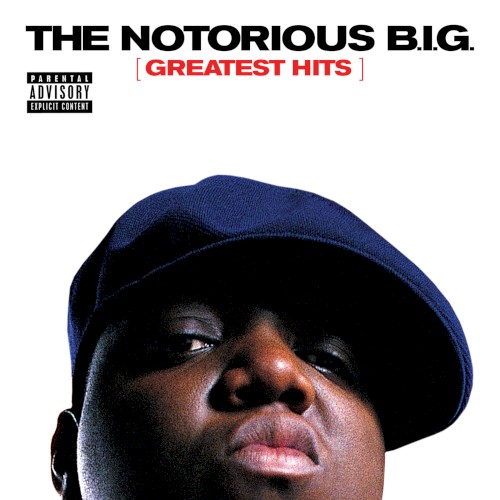
Biggie's catalog continued expanding after his death through archival recordings and posthumous releases. Born Again arrived in 1999, followed by Duets: The Final Chapter in 2005 and a greatest-hits collection in 2007. His vocals also continued appearing on collaborations, remixes, and tribute projects.
His impact extends far beyond the relatively small amount of music he released during his lifetime. Biggie's conversational rhythm, internal rhymes, storytelling, humor, vocal control, and ability to shift effortlessly between different flows became enormously influential on later generations of rappers.
Artists including Jay-Z, Nas, Eminem, Lil Wayne, Kendrick Lamar, and countless others have acknowledged or demonstrated his influence, while songs from Ready to Die and Life After Death remain foundational records in hip-hop culture.
In 2020, The Notorious B.I.G. was inducted into the Rock & Roll Hall of Fame, more than two decades after his death.
Few careers in popular music were as brief and consequential. Biggie released only two studio albums connected directly to his lifetime, yet both became landmarks of the genre. His combination of technical skill, personality, storytelling, vulnerability, and natural rhythm established a blueprint for the modern MC.
More than three decades after Ready to Die, The Notorious B.I.G. remains one of hip-hop's defining figures and one of the strongest examples of how a remarkably small body of work can leave an enormous cultural legacy.
Artist Facts
- Biggie originally performed as Biggie Smalls, but adopted The Notorious B.I.G. after learning the Biggie Smalls name was already being used professionally.
- His debut album, Ready to Die, was released when Biggie was only 22 years old, yet it became one of hip-hop's most celebrated albums.
- Biggie attended George Westinghouse Career and Technical Education High School, a Brooklyn school also attended by future rap stars Jay-Z, DMX, and Busta Rhymes.
- Life After Death was released just 16 days after Biggie's death and went on to reach No. 1 on the Billboard 200.
- Despite his legendary reputation, Biggie's official studio career was incredibly short, with only Ready to Die and Life After Death serving as his two primary studio albums before and immediately after his death.
FAQ
- What was The Notorious B.I.G.'s real name?
The Notorious B.I.G.'s real name was Christopher Wallace. He was born on May 21, 1972, in Brooklyn, New York, and was also widely known by the nicknames Biggie Smalls and Biggie.
- What genre was The Notorious B.I.G.?
The Notorious B.I.G. was primarily a hip-hop and East Coast rap artist. His music incorporated gangsta rap, hardcore hip-hop, storytelling, R&B influences, and sample-driven production associated with 1990s New York rap.
- What is The Notorious B.I.G.'s most famous album?
Ready to Die, released in 1994, is generally considered Biggie's defining album. It includes "Juicy," "Big Poppa," "Warning," "Gimme the Loot," and "One More Chance." His second album, Life After Death, is also regarded as a hip-hop classic.
- What are The Notorious B.I.G.'s most famous songs?
Some of Biggie's best-known songs include "Juicy," "Big Poppa," "Hypnotize," "Mo Money Mo Problems," "One More Chance," "Warning," "Sky's the Limit," and "Ten Crack Commandments."
- How did The Notorious B.I.G. die?
The Notorious B.I.G. was shot during a drive-by attack in Los Angeles on March 9, 1997, after leaving a music-industry event. He was 24 years old. His murder remains officially unsolved.