Artist
Van Morrison
Van Morrison is a Northern Irish singer, songwriter, musician, and bandleader born George Ivan Morrison on August 31, 1945, in Belfast, Northern Ireland. Over a career spanning more than six decades, he has created a distinctive body of music combining rhythm and blues, soul, jazz, folk, rock, country, gospel, and traditional Celtic influences.
Morrison first gained international attention during the 1960s as the lead singer of the Belfast band Them, writing and performing the garage-rock classic "Gloria." After leaving the group, he launched a solo career and scored an immediate breakthrough with "Brown Eyed Girl" in 1967.
His subsequent albums established Morrison as far more than a hitmaker. Astral Weeks blended folk, jazz, soul, and impressionistic songwriting into one of rock's most celebrated albums, while Moondance produced enduring songs including "Into the Mystic," "Crazy Love," "Caravan," and the title track.
Across dozens of studio albums, Morrison has repeatedly returned to the blues, jazz, soul, skiffle, gospel, country, and the music of his Belfast childhood while maintaining an unmistakable vocal style. Songs such as "Tupelo Honey," "Domino," "Wild Night," "Have I Told You Lately," "Days Like This," and "Cleaning Windows" have become staples of his catalog.
Inducted into the Rock & Roll Hall of Fame in 1993, Van Morrison remains an active recording and performing artist. His longevity, prolific output, powerful voice, and ability to merge American roots music with Irish and Celtic traditions have made him one of the most distinctive singer-songwriters of his generation.
Studio albums
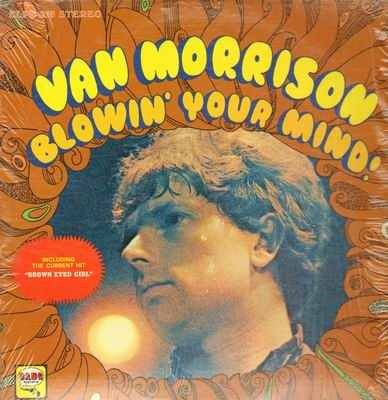 Blowin’ Your Mind!1967Album
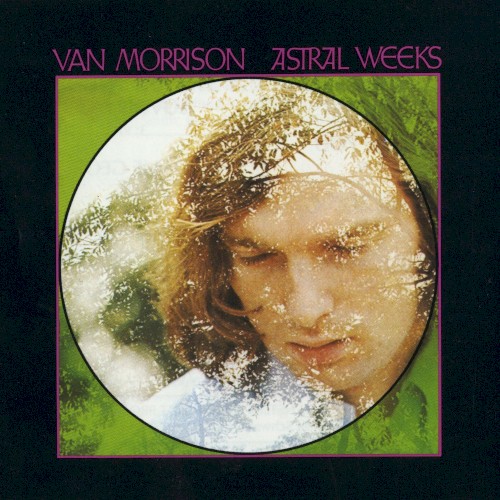 Astral Weeks1968Album
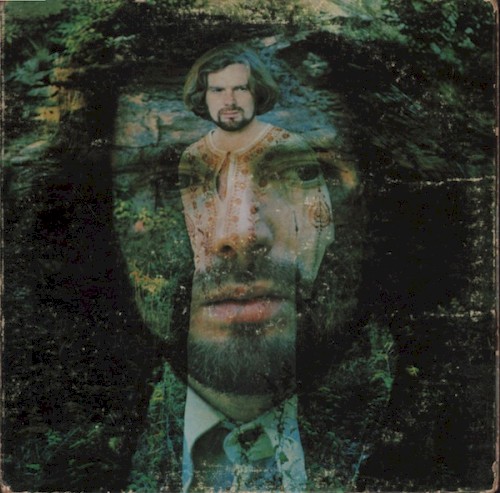 His Band and the Street Choir1970Album
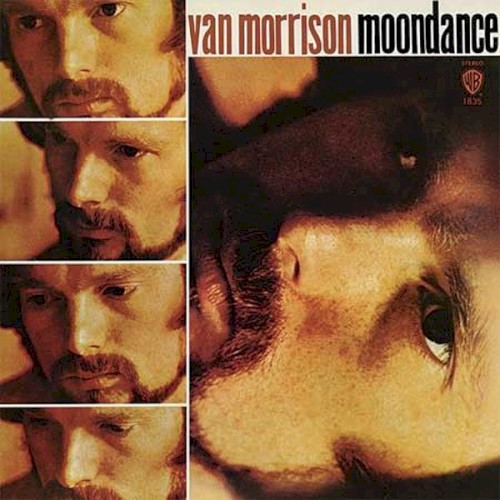 Moondance19708.1 / 10Album
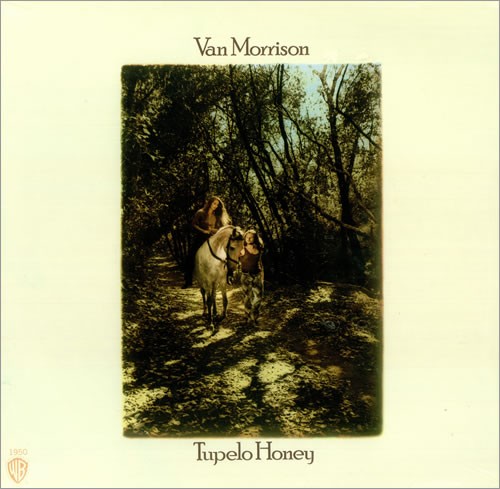 Tupelo Honey1971Album
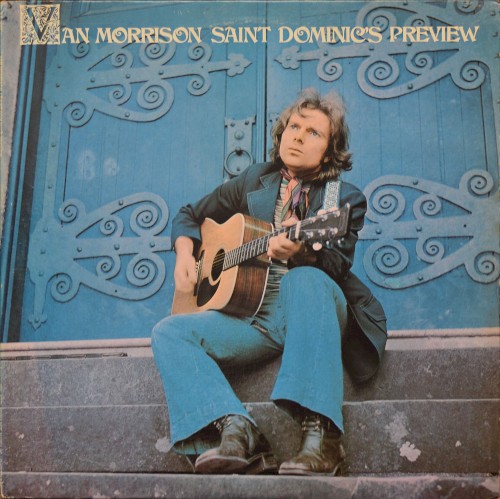 Saint Dominic’s Preview1972Album
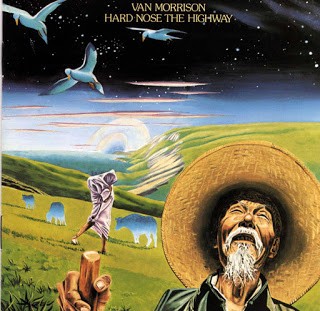 Hard Nose the Highway1973Album
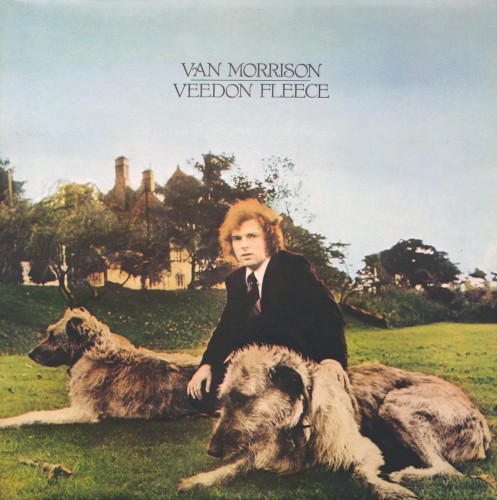 Veedon Fleece1974Album
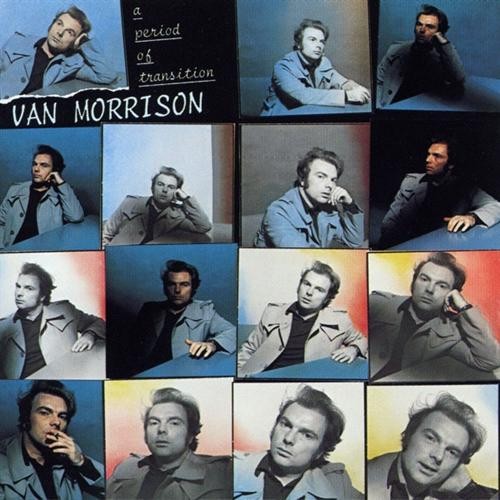 A Period of Transition1977Album
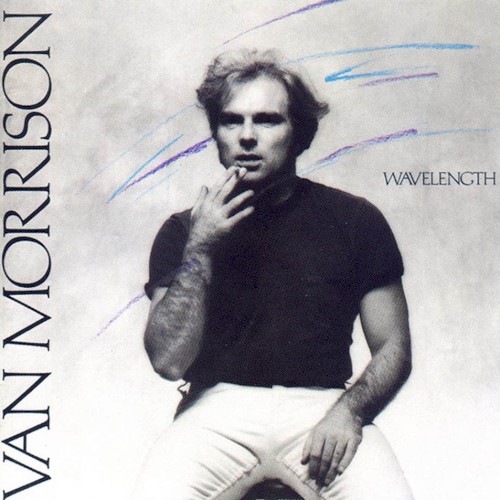 Wavelength1978Album
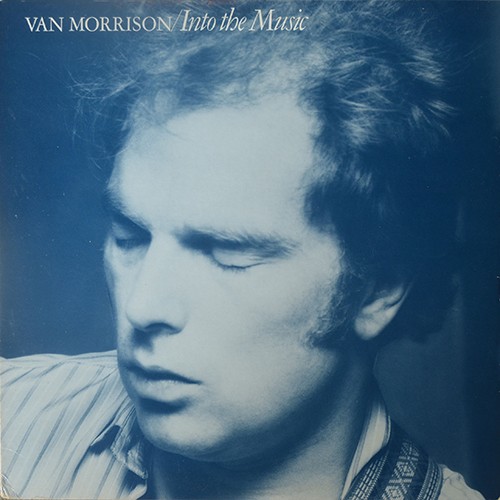 Into the Music1979Album
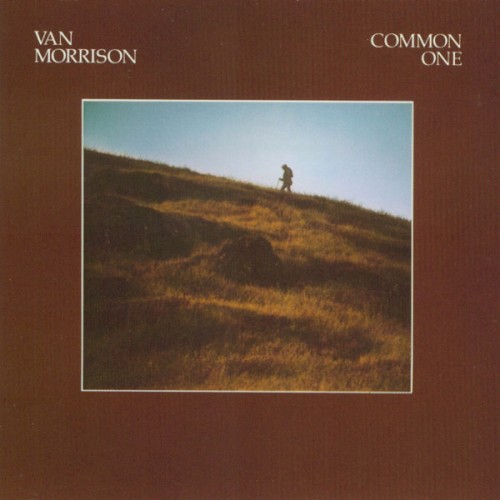 Common One1980Album
Similar Artists
History
Van Morrison was born George Ivan Morrison on August 31, 1945, in Belfast, Northern Ireland. Music surrounded him from childhood. His mother sang, while his father maintained an extensive collection of American blues, jazz, country, and gospel records that exposed Morrison to artists and musical traditions that were difficult to find in postwar Belfast.
He began playing guitar, harmonica, and saxophone while still young and became deeply influenced by rhythm and blues performers including Ray Charles, Lead Belly, Muddy Waters, Howlin' Wolf, Sonny Boy Williamson, and other American blues musicians.
By his teenage years, Morrison was already performing professionally. At around 15, he left school and joined The Monarchs, a Belfast rhythm and blues group that toured throughout Britain and continental Europe.
After returning to Belfast, Morrison became involved in another band that would have a much greater impact.
In 1964, he emerged as the lead singer of Them, one of the most important groups to come out of the Northern Irish rhythm and blues scene. The band developed a raw sound built around blues, R&B, organ, guitar, and Morrison's unusually powerful voice.
Them scored a major British hit with their version of "Baby Please Don't Go" and also recorded "Here Comes the Night."
Their most influential recording, however, was written by Morrison.
"Gloria" began as a B-side but eventually became one of the foundational songs of garage rock. Its simple chord progression and memorable chorus made it easy for other bands to perform, and the song was subsequently covered by numerous artists, including The Doors and Patti Smith.
Despite Them's success, frequent lineup changes and disagreements surrounding the group's management and recordings frustrated Morrison. He left the band after a 1966 American tour and briefly returned to Belfast.
Producer and songwriter Bert Berns, who had worked with Them, persuaded Morrison to travel to New York and begin recording as a solo artist for Bang Records.
Those sessions produced "Brown Eyed Girl."
Released in 1967, the song became a major American hit and remains one of Morrison's most widely recognized recordings. Its upbeat sound contrasted sharply with some of the darker material recorded during the same sessions, including "T.B. Sheets."
Morrison's relationship with Bang quickly became difficult. Material recorded during the sessions was assembled into the album Blowin' Your Mind! without Morrison having intended to create an album in that form.
After Berns died unexpectedly in late 1967, Morrison eventually moved forward with a new record deal.
He signed with Warner Bros. Records and began work on an album dramatically different from "Brown Eyed Girl."
Released in 1968, Astral Weeks combined Morrison's vocals and poetic songwriting with musicians drawn largely from jazz. The album moved freely between folk, soul, jazz, blues, and improvised music, creating a dreamlike atmosphere unlike conventional rock recordings of the period.
Songs including "Astral Weeks," "Sweet Thing," "Cyprus Avenue," and "Madame George" helped establish Morrison as an unusually ambitious songwriter.
Although Astral Weeks was not initially a major commercial success, its reputation steadily grew. It eventually became one of the most acclaimed albums in Morrison's catalog and was inducted into the Grammy Hall of Fame in 1999.
Morrison followed it with Moondance in 1970.
Where Astral Weeks was loose and impressionistic, Moondance featured more concise arrangements and a stronger blend of soul, jazz, folk, and R&B.
The album contained an extraordinary collection of songs, including "And It Stoned Me," "Moondance," "Crazy Love," "Caravan," and "Into the Mystic."
Moondance gave Morrison a stronger commercial foundation while retaining the musical sophistication of his earlier work. Like Astral Weeks, it was eventually inducted into the Grammy Hall of Fame.
Morrison remained exceptionally productive during the early 1970s.
His Band and the Street Choir arrived later in 1970 and included "Domino," one of his biggest American singles.
Tupelo Honey followed in 1971, featuring the title track and "Wild Night." The music reflected a warmer mixture of country, soul, folk, and R&B.
With Saint Dominic's Preview in 1972, Morrison combined accessible songs with longer, more exploratory pieces. Tracks such as "Jackie Wilson Said (I'm in Heaven When You Smile)" became enduring parts of his catalog.
His output during this period was remarkable, but Morrison was increasingly uncomfortable with the expectations surrounding commercial success, touring, and celebrity.
After Veedon Fleece in 1974, he largely stepped away from recording and performing for a period before returning with A Period of Transition in 1977.
His comeback continued with Into the Music in 1979, an album that included "Bright Side of the Road" and demonstrated that Morrison could still produce vital work more than a decade into his solo career.
During the 1980s, his music increasingly explored spirituality, contemplation, jazz, and Celtic identity.
Albums such as Common One, Beautiful Vision, Inarticulate Speech of the Heart, No Guru, No Method, No Teacher, and Poetic Champions Compose moved further away from conventional pop structures and toward the meditative style that became an important part of Morrison's later work.
In 1988, he collaborated with traditional Irish group The Chieftains on Irish Heartbeat, reconnecting directly with Irish folk music and traditional songs.
The following year brought another major song.
Avalon Sunset, released in 1989, included "Have I Told You Lately." The ballad became one of Morrison's most famous compositions and was later recorded by numerous other artists.
Throughout the 1990s, Morrison continued releasing albums at a pace unusual for an established artist.
Records such as Enlightenment, Hymns to the Silence, Too Long in Exile, Days Like This, The Healing Game, and Back on Top explored blues, soul, jazz, gospel, and reflections on Belfast and his earlier life.
"Days Like This," released in 1995, became another of his best-known later recordings.
Morrison was inducted into the Rock & Roll Hall of Fame in 1993. Unlike most inductees, he did not attend the ceremony.
His career continued at full speed into the 21st century.
Morrison returned repeatedly to the musical traditions that had inspired him as a young listener. What's Wrong with This Picture? emphasized jazz and blues, while Pay the Devil in 2006 explored classic country music.
Albums including Keep It Simple, Born to Sing: No Plan B, Keep Me Singing, Roll with the Punches, Versatile, You're Driving Me Crazy, The Prophet Speaks, and Three Chords & the Truth demonstrated his continued interest in blues, jazz, R&B, and roots music.
Morrison has also remained extraordinarily prolific later in life.
In 2023, he released Moving on Skiffle, revisiting the skiffle music that had influenced British and Irish musicians during his youth. He followed it later that year with Accentuate the Positive, built around interpretations of rock and roll, R&B, and country songs.
New Arrangements and Duets arrived in 2024 and revisited material from throughout his catalog through newly arranged performances and collaborations.
In 2025, Morrison released Remembering Now, his first collection of newly written original material in several years. The album included "Down to Joy," "Cutting Corners," and the title track and coincided with the year Morrison celebrated his 80th birthday.
His output continued in 2026 with Somebody Tried to Sell Me a Bridge, a blues-focused collection released through Orangefield Records. The project again demonstrated Morrison's longstanding connection to the American blues music that originally inspired him as a teenager in Belfast.
Few artists have maintained such a long recording career while moving so freely between musical traditions.
Morrison's catalog includes rock, soul, blues, jazz, folk, gospel, country, skiffle, traditional Irish music, and what has often been described as Celtic soul, yet his voice and phrasing make those different styles immediately recognizable as his own.
His singing frequently treats words as musical sounds rather than fixed phrases. Lines are repeated, stretched, improvised, and reshaped, giving his performances a spontaneous quality closer to jazz or gospel than conventional pop singing.
That approach helped make albums such as Astral Weeks and Moondance enduring works while allowing Morrison to continue changing direction throughout a career lasting more than six decades.
From "Gloria" with Them and the breakthrough of "Brown Eyed Girl" to "Into the Mystic," "Tupelo Honey," "Have I Told You Lately," and dozens of later albums, Van Morrison has built one of the deepest and most individual catalogs in modern popular music.
More than 60 years after his first major recordings, he remains an active artist, still returning to the blues, jazz, soul, country, folk, and Belfast musical traditions that shaped him from the beginning.
Artist Facts
What is Van Morrison's real name?
Van Morrison's full name is George Ivan Morrison. He was born on August 31, 1945, in Belfast, Northern Ireland.
What genre is Van Morrison?
Van Morrison's music spans rock, rhythm and blues, soul, jazz, folk, blues, country, gospel, and Celtic music. His distinctive mixture of American soul and R&B with Irish musical influences is often described as Celtic soul.
What is Van Morrison's most famous album?
Astral Weeks and Moondance are generally regarded as Van Morrison's two defining albums. Astral Weeks is celebrated for its unusual combination of folk, jazz, soul, and poetic songwriting, while Moondance includes classics such as "Into the Mystic," "Crazy Love," "Caravan," and the title track.
What are Van Morrison's most famous songs?
Some of Van Morrison's best-known songs include "Brown Eyed Girl," "Moondance," "Into the Mystic," "Tupelo Honey," "Crazy Love," "Domino," "Wild Night," "Have I Told You Lately," "Days Like This," and "And It Stoned Me." He also wrote and originally recorded "Gloria" as the singer of Them.
Is Van Morrison still making music?
Yes. Van Morrison remains an active recording artist. He released Remembering Now in 2025 and followed it with the blues-focused Somebody Tried to Sell Me a Bridge in January 2026, continuing a recording career that began more than six decades earlier.
FAQ
- What is Van Morrison's real name?
Van Morrison's full name is George Ivan Morrison. He was born on August 31, 1945, in Belfast, Northern Ireland.
- What genre is Van Morrison?
Van Morrison's music spans rock, rhythm and blues, soul, jazz, folk, blues, country, gospel, and Celtic music. His distinctive mixture of American soul and R&B with Irish musical influences is often described as Celtic soul.
- What is Van Morrison's most famous album?
Astral Weeks and Moondance are generally regarded as Van Morrison's two defining albums. Astral Weeks is celebrated for its unusual combination of folk, jazz, soul, and poetic songwriting, while Moondance includes classics such as "Into the Mystic," "Crazy Love," "Caravan," and the title track.
- What are Van Morrison's most famous songs?
Some of Van Morrison's best-known songs include "Brown Eyed Girl," "Moondance," "Into the Mystic," "Tupelo Honey," "Crazy Love," "Domino," "Wild Night," "Have I Told You Lately," "Days Like This," and "And It Stoned Me." He also wrote and originally recorded "Gloria" as the singer of Them.
- Is Van Morrison still making music?
Yes. Van Morrison remains an active recording artist. He released Remembering Now in 2025 and followed it with the blues-focused Somebody Tried to Sell Me a Bridge in January 2026, continuing a recording career that began more than six decades earlier.