Artist
Public Enemy
US rap group
Public Enemy are an American hip-hop group formed on Long Island, New York, in 1985, built around the contrasting personalities of Chuck D and Flavor Flav and the groundbreaking production of The Bomb Squad. With Chuck D's commanding voice and politically charged lyrics paired with Flavor Flav's energetic, unpredictable presence, Public Enemy created one of the most recognizable sounds and identities in hip-hop history.
The group's classic era also featured DJ Terminator X, Professor Griff, and the Security of the First World, better known as the S1Ws. Behind the scenes, producers including Hank Shocklee, Keith Shocklee, Eric "Vietnam" Sadler, and others constructed dense walls of samples, drums, sirens, scratches, and noise that made Public Enemy records sound unlike anything else in late-1980s hip-hop.
Albums such as It Takes a Nation of Millions to Hold Us Back, Fear of a Black Planet, and Apocalypse 91... The Enemy Strikes Black combined innovative production with direct examinations of racism, media representation, inequality, politics, and Black identity. Songs including "Fight the Power," "Bring the Noise," "Don't Believe the Hype," "911 Is a Joke," "Welcome to the Terrordome," and "Shut 'Em Down" became landmarks of politically conscious hip-hop.
Public Enemy's influence extends far beyond rap. Their aggressive production helped inspire alternative rock and industrial music, while their willingness to use hip-hop as a platform for social commentary helped expand expectations of what the genre could address. Decades after their breakthrough, Chuck D and Flavor Flav continue to record and perform as Public Enemy, making them one of hip-hop's longest-running and most influential groups.
Studio albums
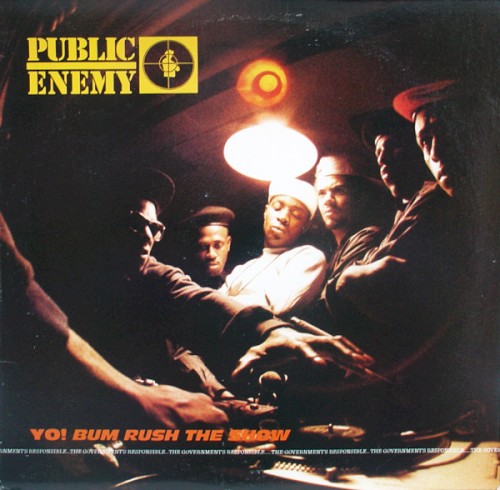 Yo! Bum Rush the Show19877.5 / 10Album
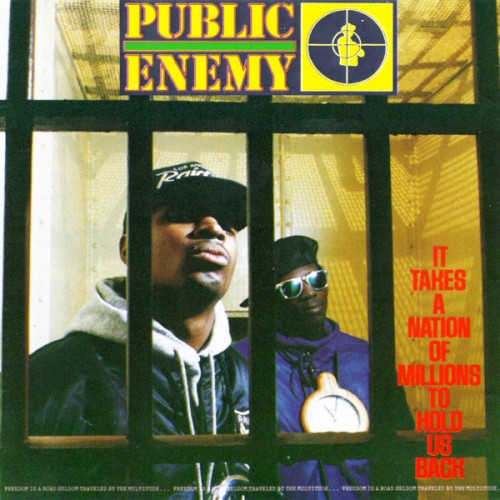 It Takes a Nation of Millions to Hold Us Back1988Album
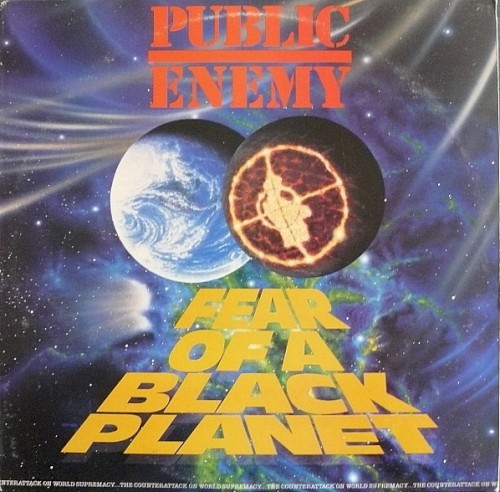 Fear of a Black Planet1990Album
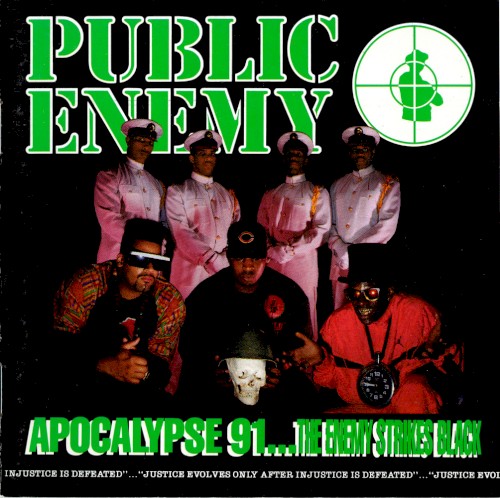 Apocalypse 91… The Enemy Strikes Black1991Album
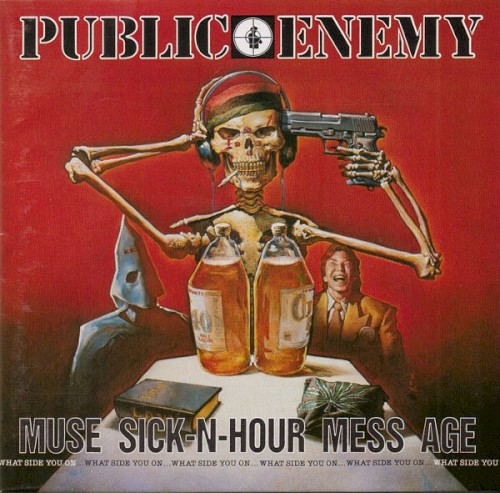 Muse Sick‐N‐Hour Mess Age1994Album
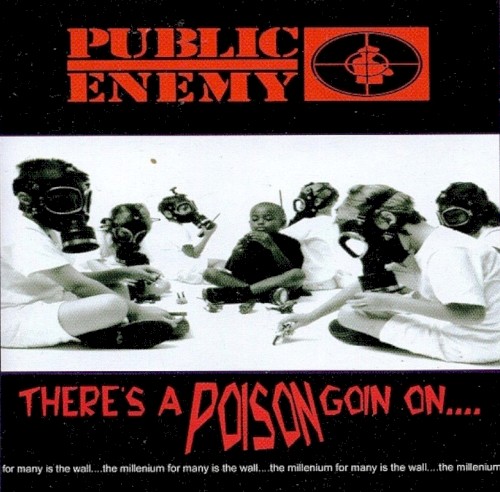 There’s a Poison Goin On…1999Album
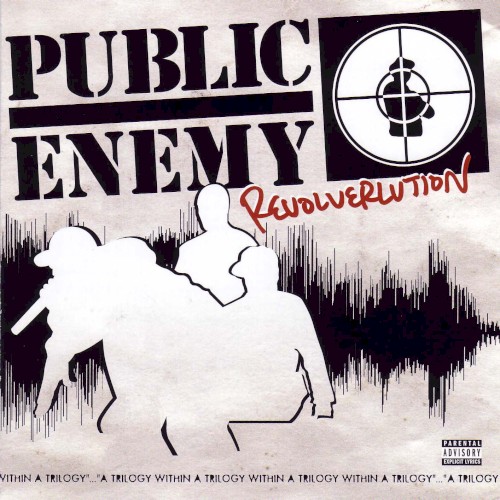 Revolverlution2002Album
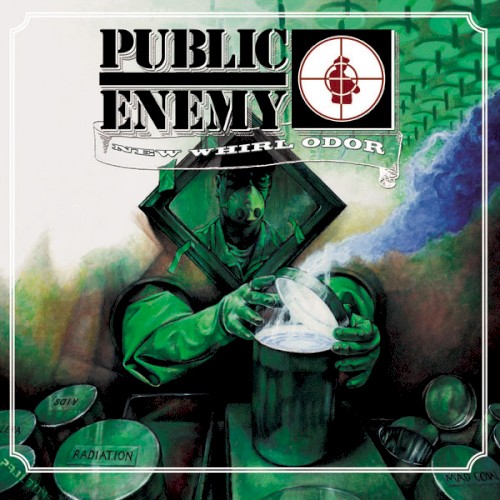 New Whirl Odor2005Album
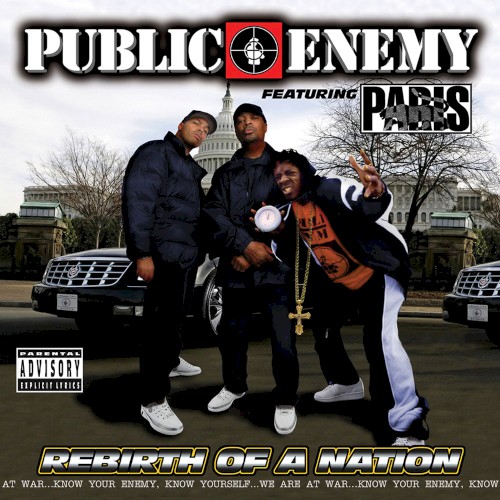 Rebirth of a Nation2005Album
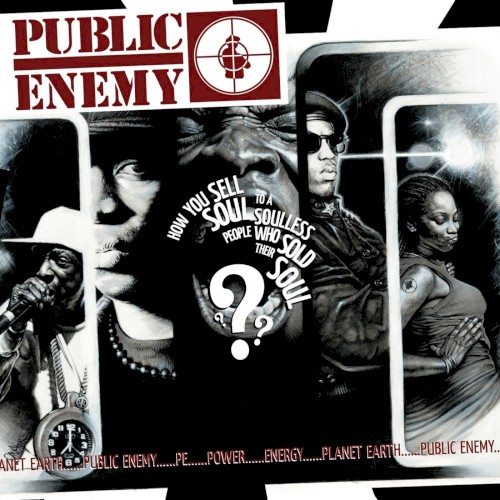 How You Sell Soul to a Soulless People Who Sold Their Soul???2007Album
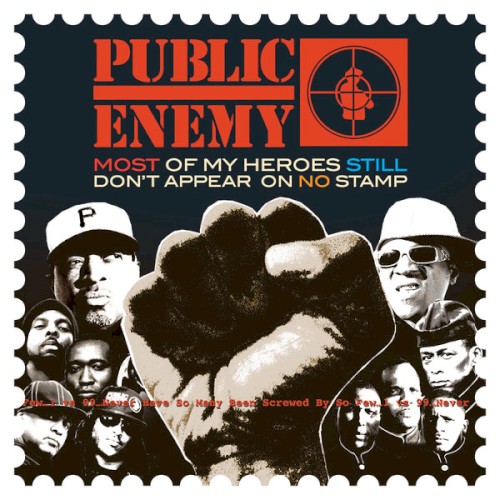 Most of My Heroes Still Don’t Appear on No Stamp2012Album
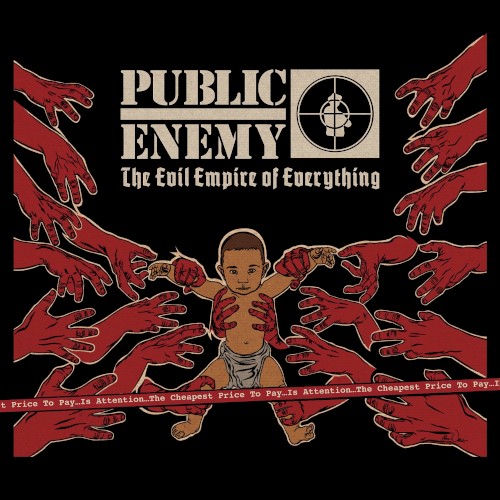 The Evil Empire of Everything2012Album
Similar Artists
History
Public Enemy's story began on Long Island, New York, where Carlton Ridenhour, later known as Chuck D, was studying graphic design at Adelphi University and working around the school's radio station, WBAU.
The station became an important meeting place for several people who would eventually shape the Public Enemy sound. Chuck connected with Hank Shocklee and Bill Stephney, while William Drayton, a longtime friend who would become Flavor Flav, brought a completely different personality to the developing group.
Chuck recorded a track called "Public Enemy No. 1," which began circulating through the local hip-hop community and eventually reached Def Jam co-founder Rick Rubin.
Rubin repeatedly encouraged Chuck to sign with the young label. Chuck was initially reluctant to pursue a recording career, but by 1986 he agreed to join Def Jam Recordings.
Rather than simply assembling a traditional rap group, Chuck developed Public Enemy almost like a musical organization.
Chuck D became the commanding lead voice. Flavor Flav served as his energetic counterbalance and hype man. Norman Rogers, known as Terminator X, became the group's DJ. Professor Griff was associated with the S1Ws, or Security of the First World, whose choreographed stage presence became part of Public Enemy's striking visual identity.
Equally important was the production collective known as The Bomb Squad.
Led by Hank and Keith Shocklee and involving producers including Eric "Vietnam" Sadler, the Bomb Squad created an extraordinarily dense style of production. Rather than relying on a single obvious sample, Public Enemy tracks could contain layers of funk records, drums, scratches, vocal fragments, sirens, noise, and seemingly unrelated sounds assembled into something confrontational and chaotic.
Public Enemy released their debut album, Yo! Bum Rush the Show, in 1987.
The record included "Public Enemy No. 1," "You're Gonna Get Yours," and "Miuzi Weighs a Ton." It introduced the group's combination of aggressive production, forceful delivery, and political awareness, but their second album would dramatically increase both their audience and their influence.
It Takes a Nation of Millions to Hold Us Back arrived in 1988.
The album included "Bring the Noise," "Don't Believe the Hype," "Rebel Without a Pause," "Night of the Living Baseheads," and "Black Steel in the Hour of Chaos."
Musically, it pushed sampling and hip-hop production into radically dense territory. Lyrically, Chuck D addressed racism, media representation, drug addiction, political power, and the experience of Black Americans with an urgency that gave the album the feeling of both a record and a broadcast.
Flavor Flav provided an essential counterweight. Where Chuck sounded authoritative and serious, Flav could be funny, chaotic, musical, and unpredictable. That contrast became one of Public Enemy's defining characteristics.
Public Enemy became even more culturally visible through their collaboration with filmmaker Spike Lee.
Lee asked the group to create a song for his 1989 film Do the Right Thing. The result was "Fight the Power."
The Bomb Squad created another dense collage of samples and rhythms while Chuck D wrote one of his most direct statements about racial inequality, cultural power, and resistance. The song became inseparable from the film and eventually one of Public Enemy's defining recordings.
"Fight the Power" was also included in a different version on the group's third studio album, Fear of a Black Planet, released in 1990.
The album included "Welcome to the Terrordome," "911 Is a Joke," "Burn Hollywood Burn," "Brothers Gonna Work It Out," and the title track. Its themes examined race, interracial relationships, Hollywood representation, emergency services, media narratives, and American culture.
Fear of a Black Planet represented Public Enemy at perhaps their most ambitious intersection of music and message. Its production was densely layered, while its lyrics encouraged listeners to question how race and power were represented in American institutions and popular culture.
The album's historical importance was later formally recognized when it was selected for preservation in the National Recording Registry.
Public Enemy continued their remarkable run with Apocalypse 91... The Enemy Strikes Black in 1991.
The album contained "Can't Truss It," "Shut 'Em Down," "By the Time I Get to Arizona," and "Bring tha Noize," a new version of "Bring the Noise" recorded with the metal band Anthrax.
The Anthrax collaboration became particularly important to the development of rap-rock and helped demonstrate that the intensity of Public Enemy's music could connect naturally with heavy metal.
By the early 1990s, Public Enemy had become one of the most internationally recognized groups in hip-hop.
Their influence could be heard not only in politically conscious rap but also in production styles built around aggressive sampling and sonic collage. Artists across rap, rock, metal, industrial music, and electronic music drew from elements of the Public Enemy sound.
The group released Muse Sick-n-Hour Mess Age in 1994, followed by a period in which hip-hop's mainstream sound shifted toward newer artists and production styles.
Public Enemy nevertheless remained active.
In 1998, they returned with He Got Game, created in connection with Spike Lee's film of the same name. The title track sampled Buffalo Springfield's "For What It's Worth" and brought Public Enemy's music back to a prominent cultural platform.
Their relationship with the rapidly changing music industry also became important.
Chuck D was an early advocate for using the internet to distribute music directly to listeners. After leaving Def Jam, Public Enemy released There's a Poison Goin' On through Atomic Pop in 1999, embracing digital distribution at a time when the music industry was still struggling to understand the implications of MP3 technology.
Public Enemy continued releasing independent records throughout the 2000s.
Projects such as Revolverlution, New Whirl Odor, Rebirth of a Nation, and How You Sell Soul to a Soulless People Who Sold Their Soul??? demonstrated the group's determination to keep recording outside the conventional major-label system.
The latter album unexpectedly produced another major moment years after its release.
"Harder Than You Think" became a significant hit in the United Kingdom in 2012 after receiving renewed exposure, introducing Public Enemy to another generation of listeners.
That same year, the group released two albums, Most of My Heroes Still Don't Appear on No Stamp and The Evil Empire of Everything.
In 2013, Public Enemy were inducted into the Rock & Roll Hall of Fame, with Chuck D, Flavor Flav, Terminator X, and Professor Griff recognized as members of the inducted lineup.
The honor reflected how dramatically perceptions of hip-hop had changed since the group began. Public Enemy had once represented a confrontational new musical movement that many mainstream institutions struggled to understand. They were now formally recognized as one of the important groups in the history of popular music.
Public Enemy returned to Def Jam in 2020 for What You Gonna Do When the Grid Goes Down?
The album featured an extensive collection of collaborators and included a new version of "Fight the Power" featuring artists from multiple generations of hip-hop.
Rather than functioning simply as a nostalgia act, Public Enemy continued addressing contemporary technology, media, politics, inequality, and social conflict.
That continued with Black Sky Over the Projects: Apartment 2025, released in 2025.
Chuck D and Flavor Flav presented the album directly to fans as a "give back." The project addressed contemporary issues ranging from technology and economic anxiety to social division and ageism, continuing the group's longstanding practice of responding directly to the world around them.
The album was released independently through Enemy Records and Flavor Flav Records, another example of the independence Public Enemy had increasingly embraced during the second half of their career.
Public Enemy's longevity is particularly notable within hip-hop.
The group emerged when rap albums were still relatively new as a mainstream commercial format. They continued recording through the compact-disc era, the rise of gangsta rap, the internet revolution, digital downloads, streaming, and the emergence of entirely new generations of hip-hop artists.
Their most important contribution, however, remains the combination of sound and message they developed during their classic period.
Chuck D demonstrated that a rapper could function as commentator, narrator, critic, and public intellectual while still creating forceful music. Flavor Flav showed how humor, personality, and unpredictability could provide the perfect contrast to a serious lead MC.
The Bomb Squad demonstrated that sampling could become something closer to sonic architecture, constructing layers of sound so dense that the production itself seemed to communicate urgency.
Together, those elements produced records that changed expectations for politically conscious hip-hop.
From It Takes a Nation of Millions to Hold Us Back and Fear of a Black Planet to "Fight the Power," "Bring the Noise," and decades of later recordings, Public Enemy demonstrated that hip-hop could entertain, provoke, educate, challenge, and confront at the same time.
More than four decades after their formation, Public Enemy remain one of the foundational groups in hip-hop history and one of the clearest examples of rap music being used as a vehicle for cultural and social commentary.
Artist Facts
- Public Enemy began partly around Adelphi University's WBAU radio station, where Chuck D, Hank Shocklee, and other future members of the group's creative circle developed their ideas. The Library of Congress
- Rick Rubin pursued Chuck D for roughly two years after hearing "Public Enemy No. 1" before Chuck finally agreed to sign with Def Jam in 1986. Grammy
- "Fight the Power" was originally created after Spike Lee asked Public Enemy for an anthem for Do the Right Thing, and Chuck D wrote much of the song while traveling on tour. Grammy
- Fear of a Black Planet entered the Library of Congress National Recording Registry in 2004, making it one of the hip-hop recordings preserved for its cultural, historical, and artistic importance. The Library of Congress
- Public Enemy were inducted into the Rock & Roll Hall of Fame in 2013, with Spike Lee and Harry Belafonte presenting the induction.
FAQ
- Who are the members of Public Enemy?
Public Enemy's best-known lineup is built around Chuck D and Flavor Flav, along with DJ Terminator X, Professor Griff, and the Security of the First World, or S1Ws, during the group's classic era. The Bomb Squad production team, particularly Hank and Keith Shocklee and Eric "Vietnam" Sadler, was also essential to the group's signature sound.
- What genre is Public Enemy?
Public Enemy are primarily associated with hip-hop, political hip-hop, hardcore hip-hop, and East Coast rap. Their music is known for dense sampling, aggressive percussion, scratches, noise, funk influences, and lyrics addressing race, politics, media, inequality, and social issues.
- What is Public Enemy's most famous album?
It Takes a Nation of Millions to Hold Us Back, released in 1988, is widely regarded as Public Enemy's defining album. It includes "Bring the Noise," "Don't Believe the Hype," "Rebel Without a Pause," and "Black Steel in the Hour of Chaos." Fear of a Black Planet is another essential album in their catalog.
- What are Public Enemy's most famous songs?
Some of Public Enemy's best-known songs include "Fight the Power," "Bring the Noise," "Don't Believe the Hype," "911 Is a Joke," "Welcome to the Terrordome," "Shut 'Em Down," "Can't Truss It," and "Harder Than You Think."
- Are Public Enemy still together?
Yes. Public Enemy remain active, with Chuck D and Flavor Flav continuing to record and perform under the Public Enemy name. The group released Black Sky Over the Projects: Apartment 2025 in 2025, continuing a recording career that began in the 1980s.